 blog
blog
Affordable Backyard Hardscape Ideas on a Budget
Table of Contents
- Why Hardscaping Matters for Your Backyard
- Budget-Friendly Paver Patio Ideas
- Low-Cost Backyard Walkway Ideas
- Affordable Hardscape Materials That Deliver
- Small Backyard Hardscape Ideas
- DIY vs. Professional Installation: Cost and Effort
- Drainage, Grading, and Long-Term Durability
- Frequently Asked Questions
Last Updated: October 4, 2026
Why Hardscaping Matters for Your Backyard
An affordable backyard hardscape transforms outdoor spaces into functional, beautiful areas without breaking the bank. At Moises Pizana Hardscapes, we've seen how the right materials and design choices turn cramped yards into entertaining spaces that families actually use.
A well-designed hardscape does more than look good. It solves real problems: water pooling after rain, muddy pathways, bare spots that invite weeds. It also increases your home's value and curb appeal.
The best part? You don't need a huge budget to get impressive results. Strategic choices about materials, layout, and what to DIY versus outsource make a real difference.
Here's what makes affordable hardscaping work:
- Focus on high-impact areas first (patio, walkway, fire pit)
- Choose durable materials that look expensive but cost less
- Plan drainage and grading correctly to avoid costly repairs later
- Mix DIY projects with professional help where it matters most
This guide covers practical, budget-friendly hardscape ideas that deliver real value. We'll break down costs, installation difficulty, and maintenance so you can make smart choices for your specific situation.
Budget-Friendly Paver Patio Ideas
A paver patio is one of the best investments for outdoor living. Pavers create defined entertaining spaces without the cost of a full deck or concrete slab.
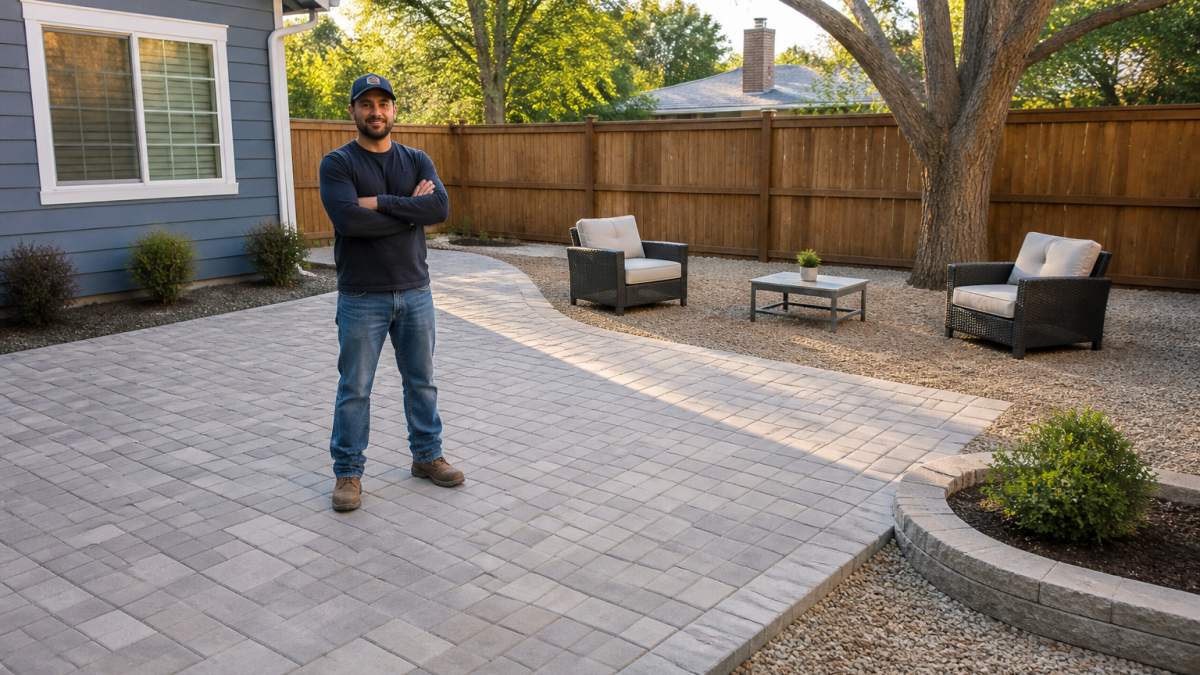
Why pavers work on a budget:
- Install them yourself or hire help for specific sections
- Replace damaged pavers without replacing the whole patio
- Pavers drain water naturally (no pooling problems)
- They look upscale but cost far less than stamped concrete
Smart paver choices for affordability:
Standard concrete pavers, natural stone pavers, and permeable pavers are all options. Reclaimed or salvaged pavers offer character at discount prices if you find them locally through salvage yards or online community groups.
Installation tips to save money:
Lay pavers on a compacted gravel base instead of a full concrete foundation. This cuts labor and material costs significantly. Start with a smaller patio (12 × 12 feet = 144 square feet) and expand later. Use straight layouts instead of complex patterns; they're faster to install and look intentional.
Realistic timeline, effort, and tools:
A 200-square-foot patio takes time for one person working alone. Hiring a helper can reduce the timeline. Proper base preparation takes the most time but prevents settling and cracking later.
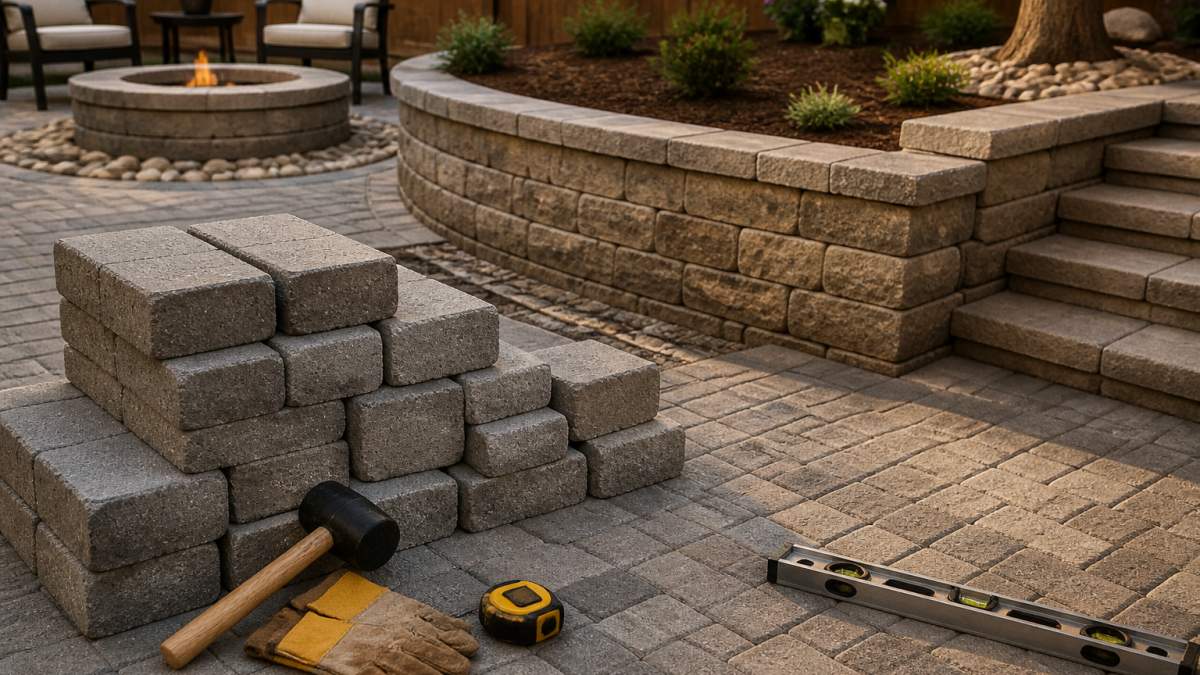
Essential tools include a rubber mallet, level, tape measure, shovel, wheelbarrow, landscape fabric, and a compactor. A circular saw with a masonry blade helps cut pavers to fit edges. Most homeowners already own basic tools; rentals and specialized equipment may be needed for the project.
Difficulty rating and skill requirements:
Difficulty: Moderate. This is a forgiving DIY project, mistakes in paver placement are easy to fix by resetting individual stones. The hardest part is achieving proper slope for drainage (1 inch drop per 8 feet of length). Use a long level or string line to check slope as you work.
Cost breakdown for a 200-square-foot patio:
- Concrete pavers: $100-$300
- Landscape fabric: $20-$40
- Gravel base (4 inches): $40-$80
- Edging material (wood or metal): $30-$60
- Rental compactor: $40-$60
- Total DIY cost: $230-$540
- Professional installation (if outsourced): $800-$1,600 labor
Maintenance and durability:
Concrete pavers last 25+ years with minimal care. Weeds grow between joints; pull them by hand or use a polymeric sand that hardens and prevents weed growth (adds $50-$100 to material costs but reduces maintenance). Permeable pavers may clog with sediment over time; power-wash every 2-3 years to maintain drainage. Inspect for settling or cracking annually; reset any pavers that shift.
Low-Cost Backyard Walkway Ideas
Walkways define your yard and guide people safely through outdoor spaces. They're also one of the easiest hardscape projects to tackle affordably.
Comparing walkway options: cost, effort, and maintenance
Gravel paths are an affordable option. They drain instantly and look intentional when edged properly. Mulch paths work for shaded areas but need refreshing yearly. Stone or paver walkways last decades with minimal maintenance.
Building a gravel walkway:
Mark out the path width (2-3 feet is standard for foot traffic; 4 feet accommodates two people side-by-side). Remove grass and weeds with a shovel or sod cutter. Add landscape fabric to block new growth. Fill with gravel or crushed stone (pea gravel, crushed limestone, or decomposed granite all work).
Cost depends on width and gravel type. A 50-foot path (3 feet wide) requires materials. Most homeowners can finish a 50-foot path in a weekend.
Tools and effort for gravel paths:
- Shovel, wheelbarrow, landscape fabric, edging material (wood or metal)
- Difficulty: Easy. No special skills required.
- Labor: 8-12 hours for 50 linear feet
- Rental needs: None (unless renting a sod cutter to remove existing grass)
Stepping stone alternatives:
Large flat stones (12-18 inches across) spaced 18 inches apart create a walkway for a fraction of the cost of a full path. Permeable pavers (6-12 inches square) serve the same purpose with better durability and uniform appearance, costing $1-$3 per square foot.
Stepping stones take time to install for 50 feet (one person). Difficulty is easy; simply set stones on compacted soil or a thin sand base. They shift slightly over time, so reset them annually if needed.
Paver walkways:
Standard concrete pavers create durable, low-maintenance walkways at $8-$15 per linear foot (3 feet wide). Installation takes 12-16 hours for 50 feet. Difficulty is moderate; base preparation and slope are critical. Paver walkways last 25+ years and require only occasional weeding and power-washing.
Maintenance reality and long-term costs:
Gravel paths need raking and occasional topping off every 1-2 years (2-4 hours annually). Budget $50-$150 per year for fresh gravel. Stone paths need weeding between joints (2-4 hours annually). Paver paths require the least upkeep but cost more upfront; power-wash every 2-3 years (DIY or $100-$200 professional).
Climate and drainage considerations:
In wet climates, gravel paths can become muddy and shift easily; permeable pavers or stone stepping stones drain better. In freeze-thaw zones, gravel expands and contracts seasonally; pavers or stone are more stable. In hot, dry climates, gravel is ideal, it stays in place and requires minimal water. Choose materials suited to your local climate and soil type.
Affordable Hardscape Materials That Deliver
Material selection makes or breaks an affordable hardscape project. The right choices look intentional and last for years.
Gravel and aggregate:
Crushed stone, pea gravel, and decomposed granite are workhorses of budget hardscaping. They drain water, suppress weeds when used with fabric, and cost a fraction of pavers or stone. They shift and settle over time, so edging and occasional raking keep them looking intentional.
Concrete:
Standard concrete pads and walkways cost less than pavers but look basic unless finished well. Broom finish adds texture without extra cost. Concrete is durable and requires little maintenance. The downside: cracks happen, and repairs are visible.
Recycled and salvaged materials:
Reclaimed brick, old pavers, and salvaged stone add character while saving money. Check local salvage yards, Craigslist, and community groups. Mixing salvaged materials with new ones creates interesting, eclectic designs that look intentional.
Natural stone:
Slate, limestone, and granite cost more than concrete or gravel but last indefinitely. If budget allows, use stone for high-visibility areas (patio, main walkway) and gravel for secondary spaces. This hybrid approach maximizes impact while controlling costs.
Wood and composite:
Pressure-treated wood borders and edging define spaces cheaply. Composite materials last longer than wood but cost more. Use wood for temporary or seasonal edging, composite for permanent installations.
Small Backyard Hardscape Ideas
Small yards demand smart choices. Every square foot counts, so prioritize what matters most to your family.
Maximize entertaining space:
A 12 x 12-foot patio accommodates a small table and chairs. Add a fire pit nearby for evening gathering. This combination creates a functional outdoor room without overwhelming a small yard.
Vertical solutions:
Raised planters, wall-mounted lighting, and climbing vines add interest without eating floor space. They also improve drainage in tight areas where water pools.
Layered zones:
Separate seating, dining, and garden areas with different materials. A gravel patio transitions to a stone walkway that leads to a planting bed. This layering makes small spaces feel intentional and larger than they are.
Practical small-yard choices:
Narrow walkways (2 feet wide) work fine for foot traffic. Compact fire pits or bench seating replace large tables. Vertical trellises and hanging planters add greenery without taking ground space.
DIY vs. Professional Installation: Cost and Effort
Knowing what to DIY and what to outsource saves money and prevents costly mistakes.
Projects suited for DIY:
Gravel paths, simple stone edging, basic paver layouts, and planter installation are manageable for most homeowners. These projects require basic tools and patience rather than special skills. Mistakes are forgiving and fixable.
Where professional help pays off:
Drainage and grading require expertise. Improper slope causes water pooling and foundation damage. Retaining walls need proper engineering. Large patio installations benefit from professional equipment and experience. Complex designs demand skilled labor.
Cost reality:
Hiring professionals costs more upfront but prevents expensive repairs. A poorly graded patio can cost thousands to fix.
Moises Pizana Hardscapes approach:
We handle the technical work, drainage, grading, retaining walls, complex designs, while you tackle simpler elements. This hybrid approach gives you professional quality where it matters most while keeping overall costs reasonable.
Drainage, Grading, and Long-Term Durability
This is where most DIY hardscape projects fail. Proper drainage and grading prevent water damage, settling, and costly repairs.
Why grading matters:
Water must flow away from structures and low spots. A slope of 1 inch per 8 feet is standard. Without proper grading, water pools, freezes in winter, and damages patios and foundations. Fixing poor grading later costs far more than getting it right initially.
Base preparation:
Compact soil removes air pockets that cause settling. Add landscape fabric to block weeds. Gravel base provides drainage while supporting pavers or stone. Proper base prep takes time but prevents future problems.
Drainage solutions:
French drains manage water in problem areas. Permeable pavers allow water through instead of pooling on top. Gravel paths naturally drain. Raised patios and decks let water flow underneath.
Durability factors:
Freeze-thaw cycles in winter affect hardscapes. Materials that absorb water can crack when frozen. Proper drainage prevents water from accumulating underneath. Edging contains materials and prevents spreading. Regular maintenance extends life significantly.
Climate considerations:
Wet climates need excellent drainage. Freeze-thaw zones require stable bases and materials that tolerate seasonal movement. Hot, dry areas face different challenges, materials fade and can shift with ground movement. Choose materials and designs suited to your local climate.
Creating an affordable backyard hardscape starts with smart choices about materials, layout, and what to tackle yourself versus outsource. Proper drainage and grading prevent costly repairs later. When budget is tight, focus on high-impact areas, a functional patio and clear walkway transform how you use your yard.
Moises Pizana Hardscapes specializes in building durable outdoor living spaces that look intentional and function beautifully. We handle the technical work, drainage, grading, retaining walls, that determines long-term success. Get a quote and let us show you how professional hardscaping adds real value to your home.
Frequently Asked Questions
What is the least expensive hardscape material for a backyard?
Gravel and crushed stone are among the cheapest hardscape options, costing significantly less per square foot than pavers or concrete. Recycled asphalt and mulch are also budget-friendly alternatives. These materials work well for pathways, seating areas, and base layers. However, gravel requires regular raking and replacement every few years, while pavers and concrete offer longer durability despite higher upfront costs. Your choice depends on your timeline and willingness to maintain the surface.
Can I install a small backyard hardscape project myself to save money?
Yes, smaller projects like gravel paths, simple paver layouts, and planter installations are manageable DIY tasks if you have basic tools and patience. Gravel pathways require only a shovel, level, and landscape edging. Paver patios demand more precision with proper base preparation and leveling. Complex projects like retaining walls, drainage systems, and large patios benefit from professional expertise to ensure proper grading and longevity. Assess your comfort with site preparation and whether drainage issues exist before deciding.
How much does a budget-friendly backyard hardscape project typically cost?
Costs vary based on project size, materials, and complexity. A small gravel pathway costs far less than a paver patio, and DIY work reduces labor expenses. Pricing depends on quantity, material selection, site conditions, and whether professional installation is needed. For an accurate estimate tailored to your specific backyard and goals, contact Moises Pizana Hardscapes for a detailed quote that accounts for your unique space and preferences.
What's the difference between gravel and pavers for an affordable patio?
Gravel is cheaper upfront and easier to install but requires annual maintenance, raking, and replacement as it shifts and compacts. Pavers cost more initially but last 25+ years with minimal maintenance and provide a solid, finished appearance. Gravel works best for casual pathways and rustic spaces, while pavers suit entertaining areas and high-traffic zones. Consider your maintenance tolerance and how long you plan to keep the space when choosing between them.