 how-to
Permeable Driveway Solutions for Heavy Rain
Table of Contents
- Why Permeable Driveway Solutions Matter During Heavy Rain
- How Permeable Driveway Systems Handle Stormwater Runoff
- Permeable vs Non-Permeable Driveway: Key Differences
- Common Permeable Driveway Materials and Their Benefits
- Driveway Drainage Solutions: Installation and Site Assessment
- Permeable Paver Maintenance and Long-Term Performance
- Real Benefits: Foundation Protection, Erosion Reduction, and Property Value
- Frequently Asked Questions
Last Updated: October 12, 2026
Why Permeable Driveway Solutions Matter During Heavy Rain
Heavy rain exposes a harsh reality: standard driveways funnel water into storm drains and soil, flooding yards, stressing foundations, and accelerating erosion.
Permeable driveway solutions are paved surfaces that let rainwater pass through or between materials rather than running off.
Heavy rain events are intensifying, and standard asphalt or concrete can't handle the volume. Permeable alternatives reduce stress on municipal stormwater systems, lower erosion risk, and improve drainage.
How Permeable Driveway Systems Handle Stormwater Runoff
A permeable driveway manages stormwater runoff by letting water infiltrate through the surface into engineered base layers, reducing the volume that flows off your property.
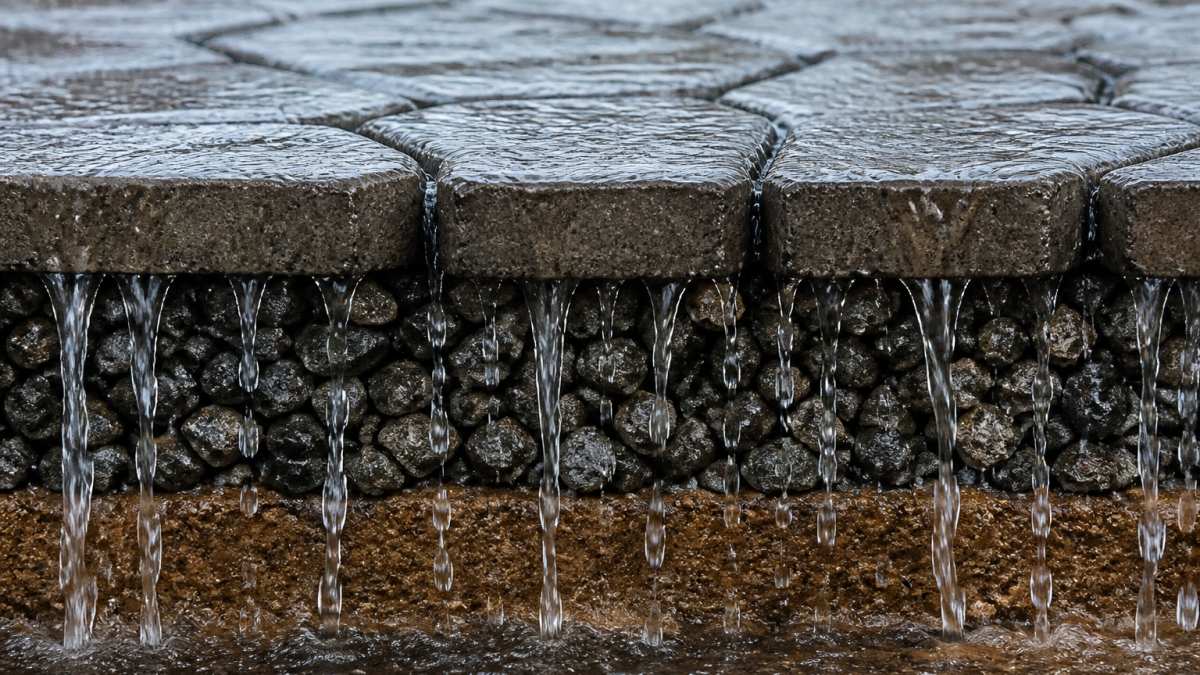
The system works in layers. The top surface, permeable pavers, porous asphalt, or gravel, lets water pass through.
Key benefits of this approach:
- Water infiltrates at a controlled rate instead of rushing off
- Sediment and pollutants get filtered by the base layers
- Groundwater recharge improves naturally
According to the EPA's guidance on green infrastructure, permeable surfaces reduce stormwater runoff volume by 50-100% compared to traditional impervious surfaces.
What Actually Limits Performance During Heavy Rain
Three variables govern how a permeable driveway behaves when rain comes down hard:
- Infiltration rate of the native soil. This is the ceiling. If your subgrade moves water at a fraction of an inch per hour, the base reservoir fills and stays full, the driveway still works, but as detention, not infiltration.
- Storage volume in the base. A deeper, coarser base holds more water during a storm's peak and releases it slowly. Heavy-rain regions often call for 12-24 inches of base rather than the 4-6 inches used in mild climates.
- Surface clogging. Every permeable surface loses infiltration capacity as fines, pollen, and organic debris fill void spaces. A new system might infiltrate several inches per hour; a neglected one can drop below the rainfall intensity it was designed for.
A common pattern: a system performs beautifully for three years, then ponds in year four because the homeowner never vacuum-swept the surface. The fix is usually maintenance, not replacement.
Overflow Planning: The Part Most Articles Leave Out
No permeable driveway absorbs every drop of an extreme event. Good designs include a positive overflow path, a deliberate route for water exceeding capacity, such as a slope toward a landscaped swale, a storm drain connection, or a graded edge that releases excess water away from the foundation.
This is where underdrains come in: on slow-draining soils, contractors install perforated pipe in the base to carry water to a daylight outlet or dry well, so the driveway functions as a filter and detention layer rather than relying on soil alone.
Why This Matters for Your Property
The practical takeaway: a permeable driveway reduces runoff, filters pollutants, and recharges groundwater, but only within the limits set by your soil, base design, and maintenance routine. Professional installation includes soil testing to confirm those limits before a single paver is laid, plus engineered solutions like underdrains when drainage is poor, so capacity matches the rainfall the system will actually see.
Permeable vs Non-Permeable Driveway: Key Differences
The fundamental difference: permeable surfaces absorb water; non-permeable surfaces reject it.
Non-permeable driveways (standard asphalt, concrete, sealed surfaces) shed all water.
Permeable driveway solutions work differently: water passes through the surface into base layers, sediment and pollutants filter out naturally, groundwater recharges instead of storm systems being overwhelmed, and your property stays dry.
| Feature | Permeable Driveway | Non-Permeable Driveway |
|---|---|---|
| Water infiltration | Passes through surface | Sheds off immediately |
| Flooding risk | Minimal | High during heavy rain |
| Foundation stress | Reduced | Increased |
| Erosion control | Excellent | Poor |
| Stormwater runoff | 50-100% reduction | No reduction |
| Pollutant filtration | Yes, through layers | No |
| Groundwater recharge | Supports it | Prevents it |
| Maintenance | Moderate | Low (but problems accumulate) |
The trade-off is maintenance. Permeable surfaces need occasional cleaning to keep infiltration rates high. Non-permeable surfaces require less upkeep but create bigger problems over time.
Common Permeable Driveway Materials and Their Benefits
Material choice determines performance, durability, and appearance.
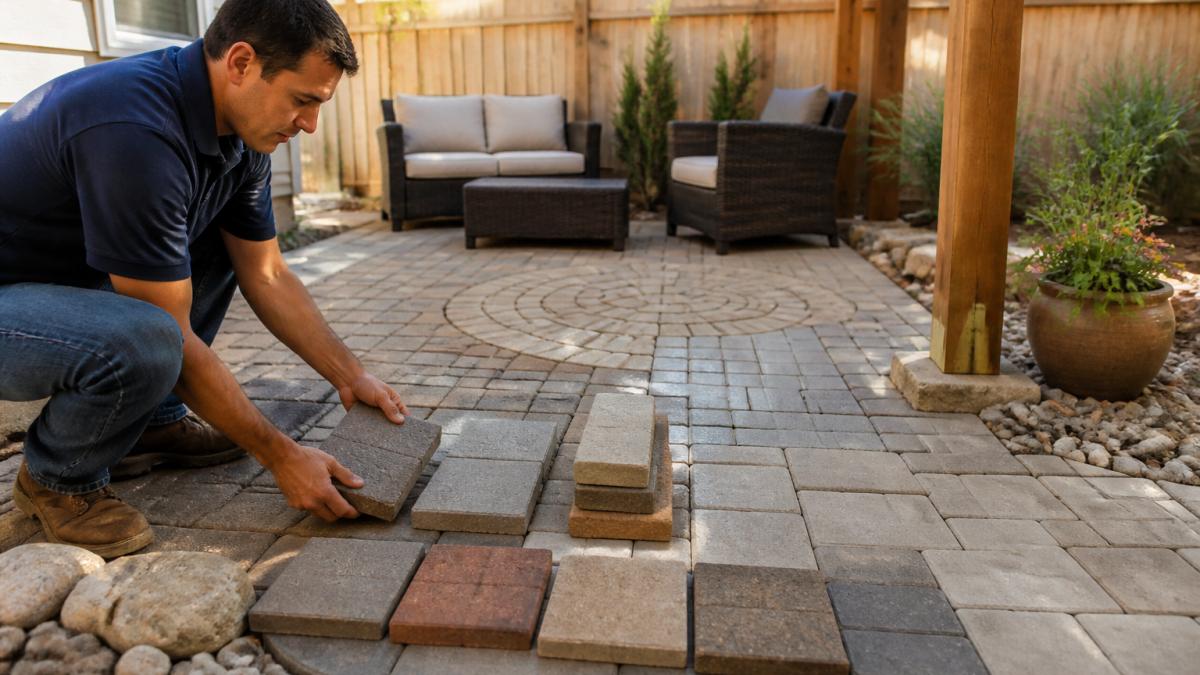
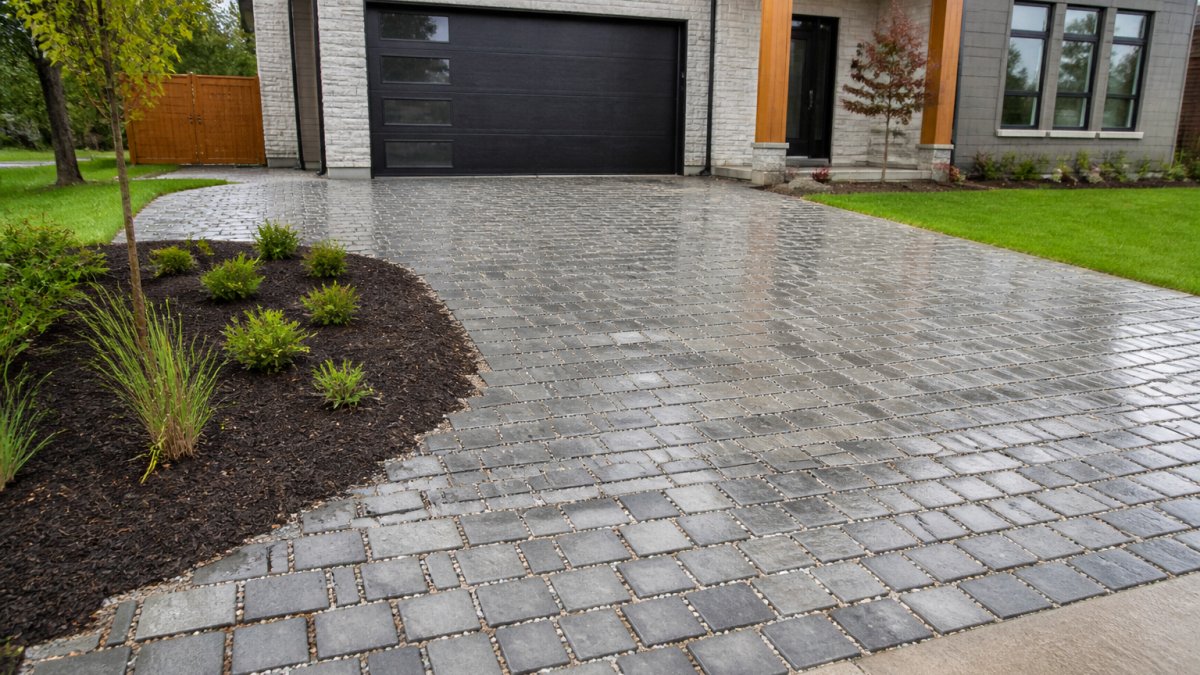
Permeable Pavers are individual units set on a permeable base, with water flowing between units and through the base.
Porous Asphalt uses open-graded aggregate to let water pass through.
Pervious Concrete has air voids that allow water infiltration. It's stronger and longer-lasting than porous asphalt and handles heavy vehicle loads well, but costs more upfront.
Gravel or Crushed Stone is the simplest option: water infiltrates instantly, and it's affordable and easy to install.
Each material suits different situations: gravel for temporary or low-traffic areas, porous asphalt for large driveways where cost matters, permeable pavers where design and durability are priorities, and pervious concrete for the heaviest loads and longest lifespan.
Driveway Drainage Solutions: Installation and Site Assessment
Professional installation starts with site assessment, where most of a project's success or failure is decided. Not every property suits permeable driveways without modification, and a driveway identical to its neighbor's can perform completely differently because the soil, slope, and water table underneath differ.
Step 1: Soil Testing and Drainage Assessment
Your contractor tests soil permeability to determine infiltration rates. The standard field method is a percolation test (perc test): a hole dug to the proposed subgrade depth is filled with water and monitored to see how fast the level drops.
What the numbers mean in practice:
- Sandy soils often infiltrate fast enough to handle rainfall without an underdrain.
- Silty soils fall in the middle, usually workable with a deeper base and a conservative design.
- Clay soils drain slowly enough that most designs require an underdrain, a larger reservoir, or both.
The test also flags the seasonal high water table: if groundwater sits close to the proposed subgrade, the base reservoir has nowhere to drain and stays saturated.
Step 2: Grade and Slope Planning
Permeable driveways need proper grading to direct water flow. Contractors slope the surface slightly to prevent pooling and plan adjacent areas so water doesn't flow toward your foundation or your neighbor's property. A common target is roughly 1-2% away from structures, enough to move surface water without eroding the edges.
Step 3: Base Layer Construction
The foundation layer is critical. Contractors excavate to the proper depth, then install a reservoir base of gravel or engineered aggregate that temporarily holds water while it infiltrates.
Aggregate specification matters as much as depth. Open-graded stone, washed, single-size aggregate with minimal fines, is the standard because the void spaces between stones store water; crusher-run or dense-graded gravel compacts too tightly and defeats the purpose.
Step 4: Surface Installation
Once the base is ready, the surface goes down: permeable pavers on a sand layer, porous asphalt or pervious concrete poured directly, or gravel spread and lightly compacted. Each surface has its own bedding and compaction requirements, and getting them wrong is the most common cause of early failure.
Step 5: Edge Containment
Contractors install edging to prevent material migration and keep the driveway stable. Edge restraint is not cosmetic, without it, pavers spread under vehicle load and joints open, changing how water moves through the surface.
Load Capacity: Designing for What Actually Drives On It
Load capacity drives base thickness and surface choice:
- Passenger cars and light trucks are the baseline most residential permeable systems are designed for; standard paver and pervious concrete assemblies handle this comfortably.
- Heavier vehicles, RVs, trailers, delivery trucks, or dual-axle equipment, require a thicker, more heavily compacted base and often a stronger surface like pervious concrete or a paver designed for vehicular loads.
- Turning and braking forces concentrate stress at the driveway entrance and curves, which benefit from additional base depth or a reinforced edge.
If you expect anything heavier than a standard pickup, tell your contractor before design. Retrofitting a base after installation is expensive.
Installation Timeline
Installation typically takes 3-7 days depending on driveway size and material, with professional crews ensuring proper compaction, alignment, and drainage. Curing time for porous asphalt or pervious concrete adds a few days before vehicles can use the surface. Integrating these permeable surfaces with a comprehensive professional garden drainage system further safeguards the surrounding landscape against saturation and erosion during extreme weather events.
Permeable Paver Maintenance and Long-Term Performance
Permeable driveway solutions require maintenance to stay effective, but it's straightforward and prevents expensive problems.
Regular Cleaning
Permeable surfaces collect debris and sediment over time, so quarterly cleaning keeps infiltration rates high.
Weed Control
Weeds grow between pavers more readily than on solid surfaces.
Inspection After Heavy Rain
After major storms, check for standing water or erosion.
Refresh the Base Layer
Long-Term Performance
Well-maintained permeable driveways last 15-25 years or longer. Permeable pavers outlast porous asphalt.
According to the National Asphalt Pavement Association's research on permeable pavements, maintained permeable systems consistently outperform non-permeable alternatives during heavy rain events, with infiltration rates remaining above 80% after 10 years of use.
Real Benefits: Foundation Protection, Erosion Reduction, and Property Value
Permeable driveway solutions deliver measurable benefits beyond drainage.
Foundation Protection
Water pooling against your foundation causes settling and structural stress.
Erosion Reduction
Runoff carries soil away, creating gullies and weakening slopes.
Curb Appeal and Property Value
Permeable pavers offer design flexibility, colors, patterns, and textures that complement your home, and a well-designed permeable driveway looks intentional and attractive.
Reduced Maintenance Costs
Environmental Contribution
Permeable driveways reduce stormwater system pressure.
Heavy rain doesn't have to mean pooling water, foundation stress, and erosion. Permeable driveway solutions absorb rainfall, protect your property, and improve drainage naturally.
Frequently Asked Questions
How do permeable driveways handle heavy rain?
Permeable driveway solutions allow rainwater to pass through the surface and into underlying base layers, where it filters into the soil or a drainage system. This prevents water from pooling on the surface and reduces runoff volume sent to municipal stormwater systems. During heavy rainfall events, the infiltration rate and reservoir capacity of the base layers determine how much water the system can absorb. If rainfall exceeds the system's capacity, overflow is managed through designed drainage paths rather than flooding the property.
What's the difference between permeable and non-permeable driveways?
Non-permeable surfaces like solid concrete or asphalt prevent water from passing through, forcing all rainwater to run off into streets, storm drains, or neighboring properties. Permeable driveway materials allow water to infiltrate through the pavement into the soil below, reducing runoff volume and velocity. This difference means permeable surfaces reduce flooding risk, support groundwater recharge, and filter pollutants from rainwater before it reaches the water table. Non-permeable surfaces offer faster installation and lower maintenance but increase erosion and stormwater infrastructure pressure.
What maintenance does a permeable driveway need?
Permeable paver maintenance focuses on keeping the surface clear of sediment and debris that can clog the infiltration rate. Sweep or vacuum the pavers regularly to prevent dirt from blocking water passage. Pressure wash annually to remove algae and moss, but use low pressure to avoid damaging the pavers or base layers. Check for weeds in joints and remove them promptly. Inspect the sub-base after heavy storms to ensure water is draining properly and not pooling beneath the surface. Most permeable driveway systems require minimal maintenance compared to sealed surfaces, but consistent care extends their lifespan and performance.
Are permeable driveways suitable for every property?
Permeable driveway solutions work best on properties with adequate soil permeability and proper drainage conditions. Sites with high water tables, poor drainage, or clay-heavy soil may require additional engineered solutions like underdrain systems. Heavy vehicle loads and frequent use are supported by properly designed permeable paver systems with adequate base layers and load capacity. Properties in areas with frequent heavy rainfall and flooding risk benefit most from permeable solutions. A site assessment and drainage test are essential to determine if your property is suitable and what design modifications may be needed.