 comparison
Pavers vs Poured Concrete for Walkways: Cost, Durability & Design
Table of Contents
- Pavers vs Poured Concrete for Walkways: Quick Comparison
- Paver Walkway Cost: Installation and Material Breakdown
- Concrete Walkway Cost: What to Budget for Installation
- Durability, Cracking, and Lifespan: Pavers vs Concrete
- How to Repair a Paver Walkway vs Concrete Damage
- Design Options, Appearance, and Property Value Impact
- Drainage, Accessibility, and Climate Considerations
- Installation Time and Professional vs DIY Preparation
- Frequently Asked Questions
Last Updated: October 10, 2026
Pavers vs Poured Concrete for Walkways: Quick Comparison
When deciding on pavers vs poured concrete for walkways, you're balancing upfront cost against long-term flexibility, durability, and design options. At Moises Pizana Hardscapes, we help homeowners in the Dallas-Fort Worth area make this decision based on their specific needs, budget, and vision for their outdoor space.
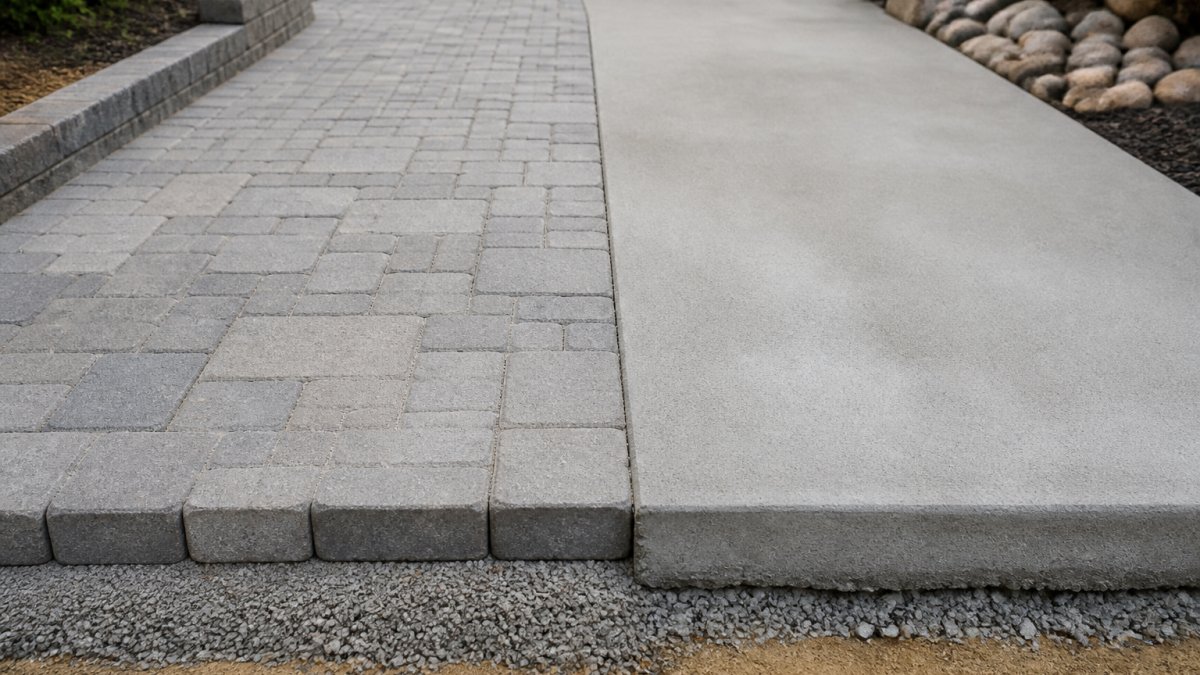
Poured concrete offers speed and lower initial installation costs. Pavers provide superior design flexibility, easier repairs, and better long-term value for many homeowners. The real difference isn't which material is universally "better", it's which fits your priorities, climate, and walkway use case.
Here's what you need to know to choose the right material for your project.
| Aspect | Pavers | Poured Concrete |
|---|---|---|
| Upfront Cost | Higher per square foot | Lower per square foot |
| Installation Time | 3-7 days (typical) | 1-2 days (typical) |
| Lifespan | 25-50+ years | 25-30 years |
| Freeze-Thaw Resistance | Excellent (interlocking design) | Moderate (prone to cracking) |
| Repair Cost | Low (replace individual pavers) | High (often requires full section removal) |
| Design Options | Extensive (colors, patterns, textures) | Limited (stamped, stained, or plain) |
| Drainage | Natural (permeable joint sand) | Poor (water pools unless sloped) |
| Best For | Design-focused, long-term value | Budget-conscious, quick installation |
Paver Walkway Cost: Installation and Material Breakdown
The paver walkway cost reflects both materials and labor. Your actual price depends on paver quality, design complexity, base preparation, and local labor rates.
Material costs for pavers themselves vary widely. Basic concrete pavers cost less than premium natural stone or decorative interlocking designs. Your base preparation, excavation, compaction, and bedding layer installation, often represents 30-40% of total labor. This foundation work is critical: a poorly prepared base leads to settling, shifting, and uneven surfaces over time.
Labor typically accounts for half or more of the total paver walkway cost. Professional installation requires precision in leveling, joint alignment, and sand application. The interlocking design that makes pavers so durable depends on proper installation. Rushing this step creates problems that are expensive to fix later.
For a 200-square-foot walkway (a typical residential project), material and labor costs vary significantly based on design complexity. Simple straight-line patterns cost less than herringbone or circular designs. Permeable pavers with drainage considerations may add to material costs but prevent water pooling and erosion issues.
Concrete Walkway Cost: What to Budget for Installation
Poured concrete walkway costs are generally lower upfront, making it the budget-friendly choice for many homeowners.
The concrete walkway cost includes materials (cement, aggregate, reinforcement), labor for forming and pouring, and finishing. Base preparation is simpler than with pavers, typically just compaction and a gravel base, which reduces labor time and expense.
Installation is fast. A concrete crew can pour a 200-square-foot walkway in a single day, with minimal site disruption. This speed appeals to homeowners who want the project done quickly and can't tolerate extended construction timelines.
However, the lower upfront concrete walkway cost often masks long-term expenses. Concrete cracks, especially in freeze-thaw climates. Repairs require removing and replacing entire sections, which costs far more than replacing a few individual pavers. Sealing concrete extends its life but adds recurring maintenance costs.
Design options are limited. Stamped concrete and staining provide some visual interest, but the results are permanent. If you want to change the look later, you're replacing the entire walkway, a significant expense.
Durability, Cracking, and Lifespan: Pavers vs Concrete
The durability comparison reveals where the long-term value shifts in favor of pavers.
Paver Walkway Lifespan and Weather Resistance
Paver walkways typically last 25-50 years or longer when properly installed and maintained. The interlocking design is key to this durability. Individual pavers can shift slightly without compromising the entire structure. This flexibility prevents the stress concentration that causes cracking in rigid materials.
Freeze-thaw cycles are far less damaging to pavers. As soil expands and contracts with temperature changes, the interlocking design absorbs movement. Concrete, by contrast, is rigid. Ground movement cracks concrete, and those cracks widen with repeated freeze-thaw cycles.
Weather resistance depends on paver quality and base preparation. Permeable pavers with proper joint sand and drainage layers handle water exceptionally well. Water drains through joints rather than pooling on the surface, which prevents ice formation in winter and erosion in heavy rain.
Maintenance is minimal. Occasional weeding between joints and reapplying joint sand every few years keeps pavers looking new. Most paver walkways require no sealing, though some premium materials benefit from optional protective treatments.
Concrete Walkway Durability and Freeze-Thaw Issues
Concrete walkways typically last 25-30 years in moderate climates. In freeze-thaw regions, the lifespan is often shorter. Concrete is porous and absorbs water. When temperatures drop, that water freezes and expands, creating internal stress. The concrete surface spalls (flakes and chips), and cracks propagate deeper into the slab.
Cracking is the primary durability concern. Even well-installed concrete cracks eventually. Small hairline cracks are cosmetic but allow water infiltration. Larger cracks compromise structural integrity and create trip hazards. Sealing concrete slows water penetration but doesn't prevent cracking.
Repair is expensive and disruptive. A cracked section requires saw-cutting the concrete, removing the damaged portion, and pouring new concrete. The new section often doesn't match the original color or finish. Multiple repairs over a walkway's life create a patchwork appearance.
Drainage is a persistent problem. Concrete slopes water runoff, but pooling occurs in low spots. Standing water accelerates freeze-thaw damage and creates safety hazards (slipping when wet or icy).
How to Repair a Paver Walkway vs Concrete Damage
Repair accessibility is a major practical difference between these materials.
Paver walkway repair is straightforward and cost-effective. A damaged paver is removed by lifting it out and replacing it with a new one. The surrounding pavers remain undisturbed. You can repair a single paver in minutes. This localized repair capability means small damage doesn't escalate into major expenses.
Concrete walkway damage requires different approaches. For hairline cracks, epoxy injection or concrete caulk provides a temporary seal. For larger cracks or spalling, the damaged section must be removed and replaced. This often involves saw-cutting the concrete, extracting the old material, and pouring new concrete. The process is time-consuming, messy, and expensive. The new section may not match the original finish or color perfectly.
The cost difference compounds over time. Over a 30-year lifespan, the repair costs for concrete often exceed the initial savings on installation.
Accessibility also matters for maintenance. Reapplying joint sand in pavers is a homeowner-friendly task. Sealing concrete requires professional equipment or careful DIY application. Most homeowners find concrete maintenance more intimidating.
Design Options, Appearance, and Property Value Impact
Pavers dominate the design category. The range of colors, patterns, textures, and sizes allows for custom layouts that reflect your home's style. Herringbone, running bond, circular patterns, and mixed-color designs are all achievable with pavers.
Concrete offers limited design flexibility. Stamped concrete can mimic stone or brick patterns. Staining adds color. But these options are permanent, changing your mind means replacing the entire walkway. The aesthetic ceiling is lower than with pavers.
Property value impact favors pavers. Custom paver walkways signal investment in quality and aesthetics. They enhance curb appeal, which influences buyer perception in competitive real estate markets. Poured concrete is functional but doesn't command the same aesthetic premium.
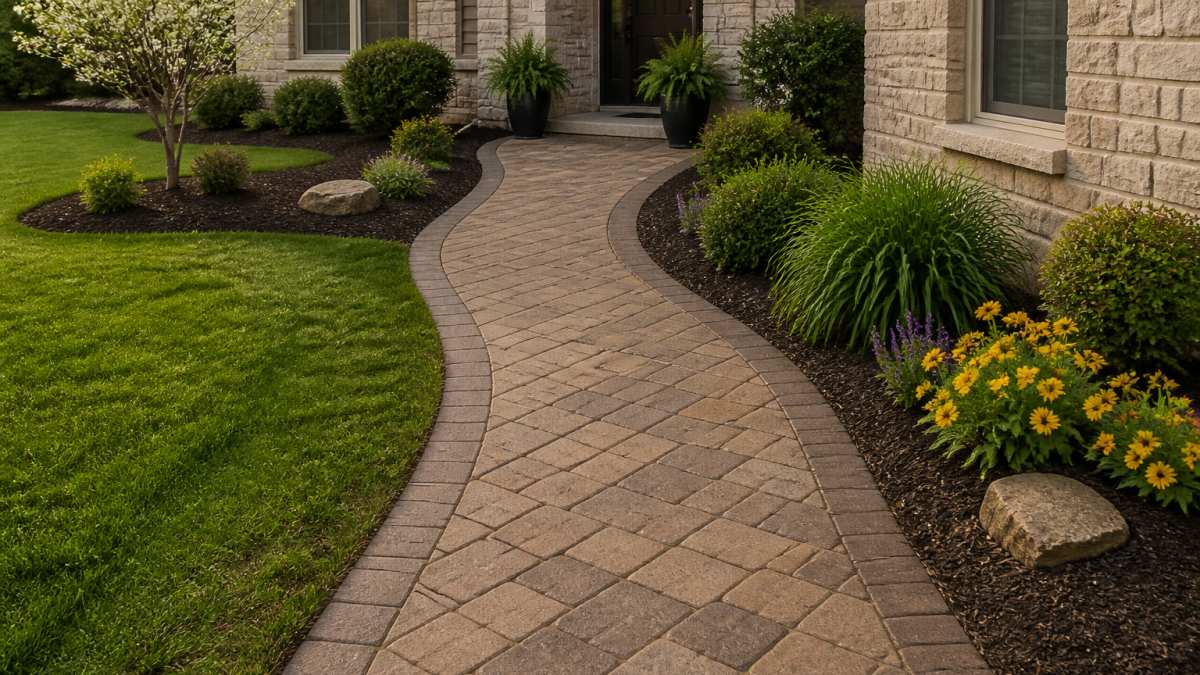
For homeowners in the Dallas-Fort Worth area preparing properties for sale, a well-designed paver walkway often justifies its cost through enhanced appeal and perceived property value.
Concrete walkways are neutral. They don't detract from appearance, but they don't enhance it either.
Drainage, Accessibility, and Climate Considerations
Drainage is a critical factor that often gets overlooked until problems emerge.
Paver walkways naturally drain. Water flows through the joint sand into the base layer and soil below. This prevents pooling, ice formation, and erosion. Permeable pavers with proper base preparation create excellent drainage.
Concrete walkways require careful slope design to direct water away from structures. Even with proper slope, water pools in low spots. Concrete's impermeability means water doesn't infiltrate, it runs off. In heavy rain, this runoff can erode surrounding soil or damage landscaping. In freeze-thaw climates, pooled water accelerates concrete deterioration.
Accessibility considerations matter for daily use. Pavers, when properly installed, provide a level, stable walking surface. The interlocking design prevents individual pavers from rising or settling unevenly. Concrete, over time, develops uneven surfaces as sections settle or heave.
Climate suitability varies. In freeze-thaw regions (common in parts of the Dallas-Fort Worth area during harsh winters), pavers are superior. The flexible interlocking design absorbs ground movement. Concrete cracks and deteriorates faster.
Soil conditions matter. Poor drainage or expansive clay soils (common in some parts of North Texas) require careful base preparation. Pavers handle soil movement better due to their flexibility. Concrete, rigid and brittle, cracks when soil shifts.
Installation Time and Professional vs DIY Preparation
Installation timeline is a practical consideration for homeowners.
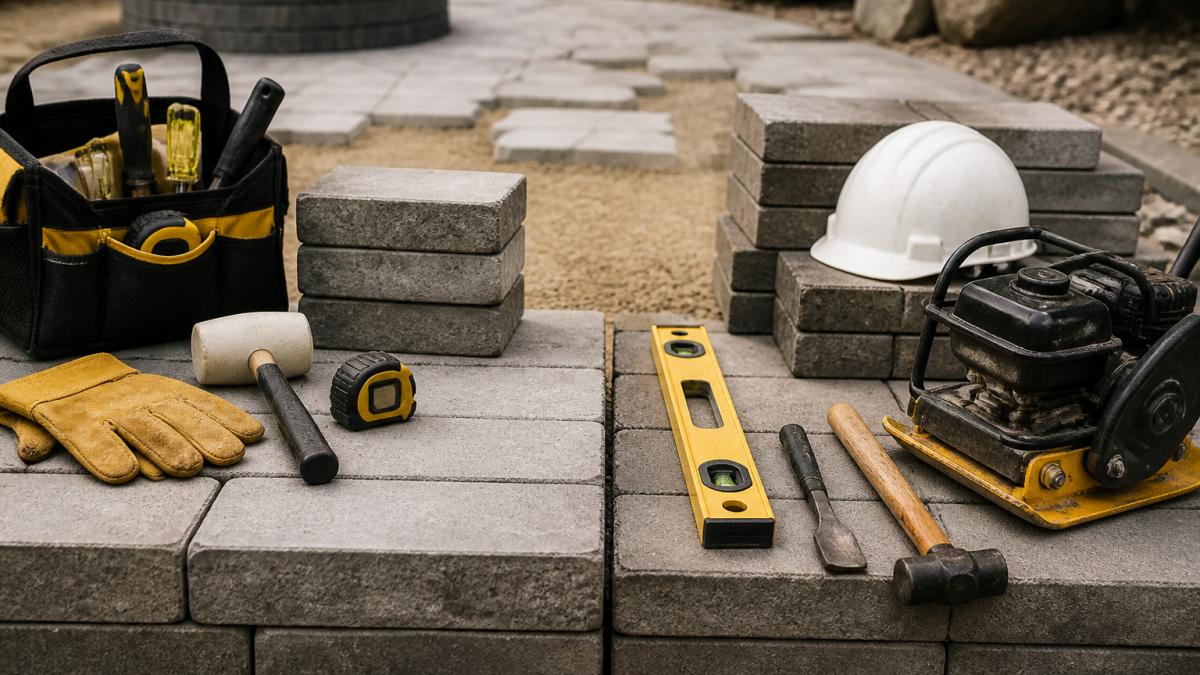
Professional paver installation typically takes 3-7 days for a residential walkway, depending on size and design complexity. The process involves excavation, base preparation, bedding layer installation, paver placement, and joint sand application. Each step requires precision.
Professional concrete installation is faster. A crew can excavate, form, pour, and finish a concrete walkway in 1-2 days. For homeowners prioritizing speed, this is attractive.
DIY considerations differ. Paver installation is physically demanding but achievable for motivated homeowners with basic tools. Base preparation is the critical step, proper compaction prevents future settling.
Concrete pouring is less forgiving for DIY. Mixing, forming, pouring, and finishing require skill and speed. Mistakes in slope, thickness, or finishing affect durability and appearance permanently. Most homeowners benefit from professional concrete installation.
For Moises Pizana Hardscapes clients in the Dallas-Fort Worth area, professional installation ensures proper base preparation and precision alignment.
Choosing between pavers and poured concrete for walkways depends on your priorities. If you value design flexibility, long-term durability, and easier repairs, pavers are the superior choice despite higher upfront costs.
Ready to transform your walkway? Moises Pizana Hardscapes specializes in custom paver installations tailored to your home's style and your property's drainage and soil conditions.
Frequently Asked Questions
Which costs less for a walkway: pavers or poured concrete?
Poured concrete typically has a lower upfront cost, making it the budget-friendly choice for initial installation. However, pavers may offer better long-term value due to easier localized repairs and longer lifespan in freeze-thaw climates. Your total cost depends on walkway size, site preparation complexity, and regional labor rates. Contact Moises Pizana Hardscapes for a detailed quote on your specific project.
How long do paver and concrete walkways last?
A well-maintained paver walkway typically lasts 25-50 years or longer, with individual pavers replaceable if damaged. Concrete walkways generally last 25-30 years before significant cracking and settling occur, especially in freeze-thaw climates where water penetration accelerates deterioration. Proper base preparation, drainage, and climate-appropriate material selection extend either option's lifespan significantly.
Are pavers easier to repair than poured concrete?
Yes, pavers are much easier to repair. You can remove and replace individual damaged pavers without affecting the surrounding walkway. Concrete requires patching or partial removal, which is more invasive and often leaves visible repairs. For small damage, paver repair is faster and more cost-effective. For extensive damage, concrete replacement may be the only practical solution.
Do pavers increase property value more than concrete walkways?
Pavers generally enhance curb appeal more visibly than plain concrete due to their design flexibility and finished appearance. However, both materials add functional value to a property. The property value impact depends more on overall hardscape design, quality of installation, and how well the walkway complements your home's architecture. A professionally installed walkway, whether pavers or concrete, improves buyer perception and outdoor usability.
Can pavers handle shifting ground better than poured concrete?
Yes, pavers are more forgiving of ground movement. Their interlocking design and flexible bedding layer allow individual pavers to shift slightly without creating visible cracks across the entire surface. Poured concrete is rigid and cracks when soil settles unevenly or freezes and thaws. In areas with unstable soil or significant seasonal ground movement, pavers are the more durable choice.