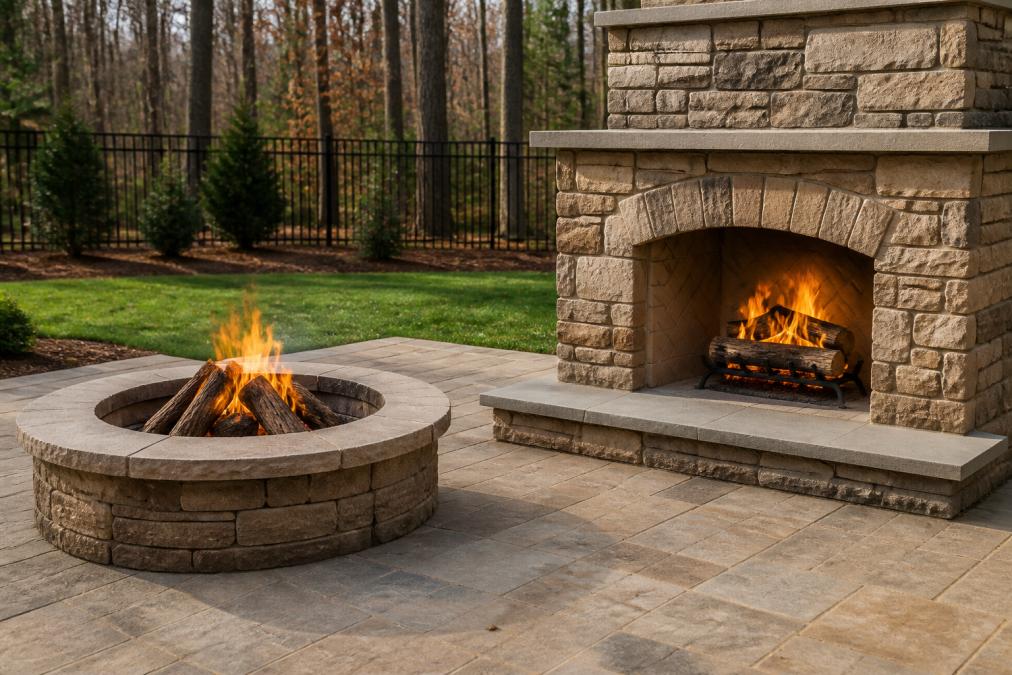
 comparison
Fire Pit vs Fireplace: Which Suits Your Backyard
Table of Contents
- Fire Pit vs Fireplace: Core Differences
- Custom Fire Pit Design Ideas for Small Spaces
- Outdoor Fireplace Installation Cost and Value
- Space Planning and Layout Considerations
- Entertaining Capacity and Functionality
- Outdoor Living Space Zoning Requirements
- Property Value Impact and Long-Term Investment
- Frequently Asked Questions
Last Updated: September 23, 2026
Fire Pit vs Fireplace: Core Differences
A fire pit and fireplace serve the same basic purpose, providing warmth and ambiance to your outdoor space, but they differ fundamentally in design, installation, and how they function in your backyard. Understanding these core differences helps you choose the right option for your property.
Fire pits are typically round or square structures that sit at ground level or slightly elevated. They burn fuel (wood, propane, or natural gas) in an open bowl design, radiating heat in all directions. Fireplaces, by contrast, are vertical structures with an enclosed firebox and chimney. They direct heat upward and outward, creating a more contained fire experience.
The practical distinction matters. A custom fire pit vs fireplace decision hinges on three factors: how much space you have, what kind of entertaining you plan to do, and whether you want a permanent or flexible installation. At Moises Pizana Hardscapes, we help homeowners in the area navigate this choice, and the answer isn't one-size-fits-all.
Installation requirements differ sharply. Fire pits need clearance from structures and vegetation, typically 10-15 feet from your home and any overhanging branches. Fireplaces require more extensive preparation: a solid foundation, proper ventilation, and often professional masonry work. If you're working with limited space or rental restrictions, a fire pit offers more flexibility. A fireplace demands commitment, it's a permanent fixture that becomes part of your home's architecture.
Heat output and efficiency also diverge. Fire pits radiate warmth in a 360-degree pattern, making them ideal for group gatherings. However, much heat escapes upward. Fireplaces concentrate heat more effectively, especially with a reflective back wall, but they warm a narrower zone directly in front of them.
Custom Fire Pit Design Ideas for Small Spaces
When space is tight, a custom fire pit becomes a smart solution. Unlike fireplaces, fire pits can be scaled down without sacrificing functionality. The key is thoughtful design that maximizes your patio footprint.
Modular fire pit designs work especially well in constrained backyards. Portable options let you position the fire feature where it works best, then move it if your entertaining needs shift. These lightweight designs use double-wall construction and smokeless technology, reducing smoke output, a real advantage in tight quarters where smoke drifts toward neighbors.
For a more permanent custom solution, consider a built-in fire pit integrated into your patio design. A sunken pit, recessed slightly below grade, creates the illusion of more space while containing the fire safely. Pair it with a circular seating wall, just 18-24 inches high, and you've created an intimate gathering spot without eating up valuable square footage.
Materials matter for durability. Steel fire pits work for portable setups. For custom installations, corten steel or stainless steel resists rust and weathering better over time. Some stainless steel construction is designed for long-term outdoor exposure, and integrated sear plates can add functionality beyond ambiance.
One insider tip: a fire pit with a grill grate transforms your entertaining capacity. You're not just providing warmth; you're creating a functional cooking station. This dual-purpose approach justifies the investment, especially in smaller yards where every feature needs to earn its place.
Outdoor Fireplace Installation Cost and Value
An outdoor fireplace represents a significant investment. Custom masonry fireplaces typically start around $10,000 for a basic installation, with high-end designs exceeding that substantially. The cost reflects materials (stone, brick, stucco), labor for foundation work, and the expertise required to ensure proper ventilation and safety.
Modern alternatives offer a middle ground, a sculptural steel structure that functions as a fireplace without the masonry price tag. These designs provide architectural impact and a contained fire experience in a more compact footprint than traditional masonry.
The real question isn't just upfront cost; it's long-term value. A well-built custom fireplace adds to your home's appeal and can increase property value when designed thoughtfully. It becomes a focal point, a reason buyers notice your outdoor space. A fire pit, conversely, is more utilitarian. It adds functionality and entertaining capacity but typically doesn't command the same resale premium as a professionally installed fireplace.
Installation timelines differ dramatically. A portable fire pit takes hours to set up. A modular option like the Solo Stove or Breeo arrives ready to use. A custom masonry fireplace, by contrast, requires weeks or months, site preparation, foundation work, masonry construction, and curing time. If you're on a tight timeline, a fire pit wins decisively.
One consideration many homeowners overlook: maintenance costs. Fire pits require regular cleaning and grate maintenance. Fireplaces need chimney sweeping and inspection, especially if wood-burning. Gas-fired options reduce maintenance but add utility costs. Factor these ongoing expenses into your decision, not just the installation price.
Space Planning and Layout Considerations
Your backyard's footprint determines which option makes practical sense. A fire pit needs clearance but can fit into surprisingly compact spaces, even a 12-by-15-foot patio can accommodate a small pit with seating around it. A fireplace demands more real estate. It needs a foundation area, clearance from the structure, and space for people to gather in front of it without feeling cramped.
Zoning your outdoor living space matters more than you might think. If your yard is already divided, kitchen area here, lounge zone there, a fire pit can serve as a gathering point that ties everything together. Its 360-degree heat and sight lines make it naturally social. A fireplace, positioned against a wall or corner, creates a more linear entertaining arrangement.
Consider your patio's existing hardscaping. If you've already invested in a concrete pad or flagstone patio, a fire pit integrates more seamlessly. It sits on the surface without requiring additional structural work. A fireplace needs its own foundation, often a reinforced concrete pad extending 3-4 feet beyond the structure. This adds cost and complexity if your patio's already finished.
Wind patterns in your specific location matter too. In the DFW area, afternoon winds can push smoke from a fire pit directly into your seating area or your neighbor's yard. A fireplace's enclosed design and vertical chimney handle wind better, venting smoke upward rather than across your gathering space.
Sight lines from inside your home are worth considering. A fireplace visible from your kitchen or living room extends the ambiance indoors, especially in evening hours. A fire pit, being lower and more dispersed, creates a different visual impact, more intimate, less architectural.
Entertaining Capacity and Functionality
How you plan to use the space determines which option serves you better. A fire pit excels for group gatherings. Eight to twelve people can comfortably sit around a pit, all facing the fire, all feeling the warmth equally. The social dynamic is inclusive, everyone participates in the same experience.
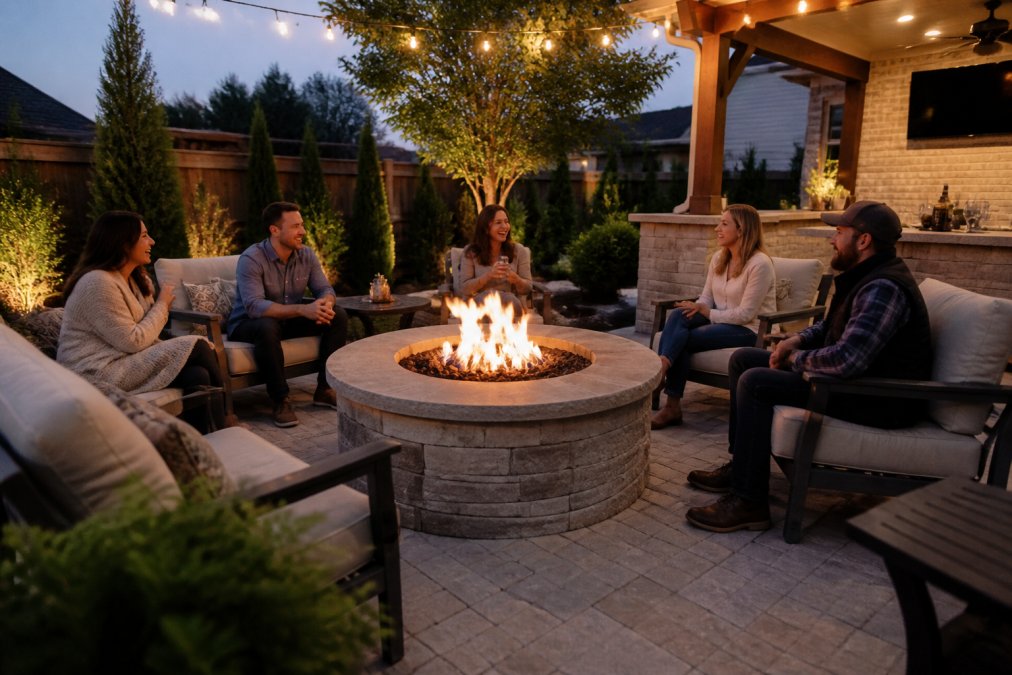
A fireplace works differently. It's a focal point people face, but the seating arrangement is more linear.
Outdoor Living Space Zoning Requirements
Local codes and zoning regulations govern what you can build in your backyard. Understanding these requirements before investing in either option prevents costly mistakes.
Property Value Impact and Long-Term Investment
Adding an outdoor fireplace typically increases your home's appeal to buyers. It's a visible, functional luxury that extends living space. A well-designed fireplace can add 5-10% to your property's perceived value, though actual resale impact varies by market and design quality.
Frequently Asked Questions
Does an outdoor fireplace or fire pit add more value to a home?
Both can enhance property value, but custom masonry fireplaces typically add more due to their permanent, architectural nature and perceived luxury. A well-designed fire pit adds appeal and entertaining functionality, especially in outdoor living spaces. The actual value gain depends on your market, installation quality, and how well the feature integrates with your home's design. Professional hardscape installation, like what Moises Pizana Hardscapes provides, ensures your investment is built to last and complements your property.
What are the zoning and safety regulations for outdoor fire features?
Fire pit and fireplace placement must comply with local building codes, which typically require minimum clearances (often 10-15 feet) from structures, property lines, and overhead hazards. Natural gas or propane fireplaces require proper utility hookups and ventilation. Check with your local permitting office before installation. Most jurisdictions also regulate the type of fuel allowed and require fire safety clearance zones. Professional installation through an experienced contractor ensures compliance with all outdoor living space zoning requirements.
Which is better for entertaining: a custom fire pit or an outdoor fireplace?
Fire pits offer 360-degree seating and interactive warmth, making them ideal for casual gatherings and cooking. Fireplaces create a focal point and cozy atmosphere, better suited for formal entertaining and defined seating arrangements. Fire pits work well in open patios with flexible furniture placement, while fireplaces anchor a space and create a room-like outdoor living area. Your choice depends on your entertaining style, available space, and whether you want cooking capability alongside ambiance.
How much space do I need for an outdoor fireplace versus a fire pit?
A portable fire pit requires minimal space (as little as 6-8 feet of clearance around it), making it ideal for small patios. Custom masonry fireplaces need a larger footprint, typically 8-12 feet wide, and must be positioned as a focal point. Both require safety clearances from structures and vegetation. Fire pits are more flexible for smaller backyards, while fireplaces suit larger entertaining areas with defined hardscaping. Moises Pizana Hardscapes can assess your specific patio footprint and recommend the best layout.
Are there specific maintenance differences between fire pits and fireplaces?
Fire pits require regular ash removal and grate cleaning but minimal structural upkeep. Custom masonry fireplaces need annual chimney inspections, cleaning, and potential repairs to mortar and joints. Gas-burning options in both require utility line checks. Portable fire pits are easiest to maintain; built-in units demand more attention. A grill cover protects either feature from weather. Professional installation and periodic inspections ensure both options remain safe and functional for years.