 listicle
Are Patio Upgrades Worth It Before Selling a Home?
Last Updated: October 27, 2026
Quick Summary
Most cost-effective patio upgrades for home sellers are small fixes rather than new construction: pressure washing, re-sanding paver joints, resealing, replacing worn cushions and adding lighting. These help buyers see a clean, usable space. Patio projects rarely return their full cost, so compare planned spending with nearby sales first.
- Weekend refreshes like pressure washing and re-sanding paver joints usually cost about $50 to $500 in materials.
- Resealing restores color and slows staining, but it will not fix cracking or heaving.
- Standing water after rain is a warning sign that buyers will notice and that sealer alone won't solve.
- Compare planned spending with the price gap between recent similar nearby sales before committing.
- Structural problems like drainage and re-leveling are better handled by a professional than a DIY fix.
Table of Contents
- Why Your Patio Matters to Buyers Before You List
- Patio Improvements That Add Value Without Major Construction
- Repair or Replace: Deciding What Your Patio Needs
- Patio Staging Ideas That Photograph Well for Listings
- Realistic Resale ROI: What Patio Projects Return
- DIY Versus Professional Work: Where to Draw the Line
- Booking Your Patio Assessment Before You List
- Frequently Asked Questions
Why Your Patio Matters to Buyers Before You List
Buyers often form their first impression of a home from the outside, and the patio sits right in that view. A worn or cracked patio can shape a buyer's sense of how well a home has been cared for. Cost-effective patio upgrades for home sellers are rarely about building something new. They are about removing the reasons a buyer might hesitate.
Outdoor living space is now a major part of what buyers look for, especially across Texas, where backyards are used for much of the year. A patio that looks clean, level, and usable helps a home feel move-in ready. A patio that looks neglected can prompt buyers to mentally add the cost of repairs to their offer.
The good news is that some useful work can be relatively simple. Most sellers do not need a full backyard overhaul to make the space appealing. They need to focus on the details buyers notice first.
Patio Improvements That Add Value Without Major Construction
Most patio upgrades that help a sale are small, targeted fixes rather than new construction. The goal is to make the existing space look intentional, clean, and ready to use, and to do it on a timeline that fits your listing date. Rather than browsing a general list of outdoor projects, sellers get further by sorting upgrades into three buckets: weekend refreshes, short projects, and projects worth pricing out before you decide.
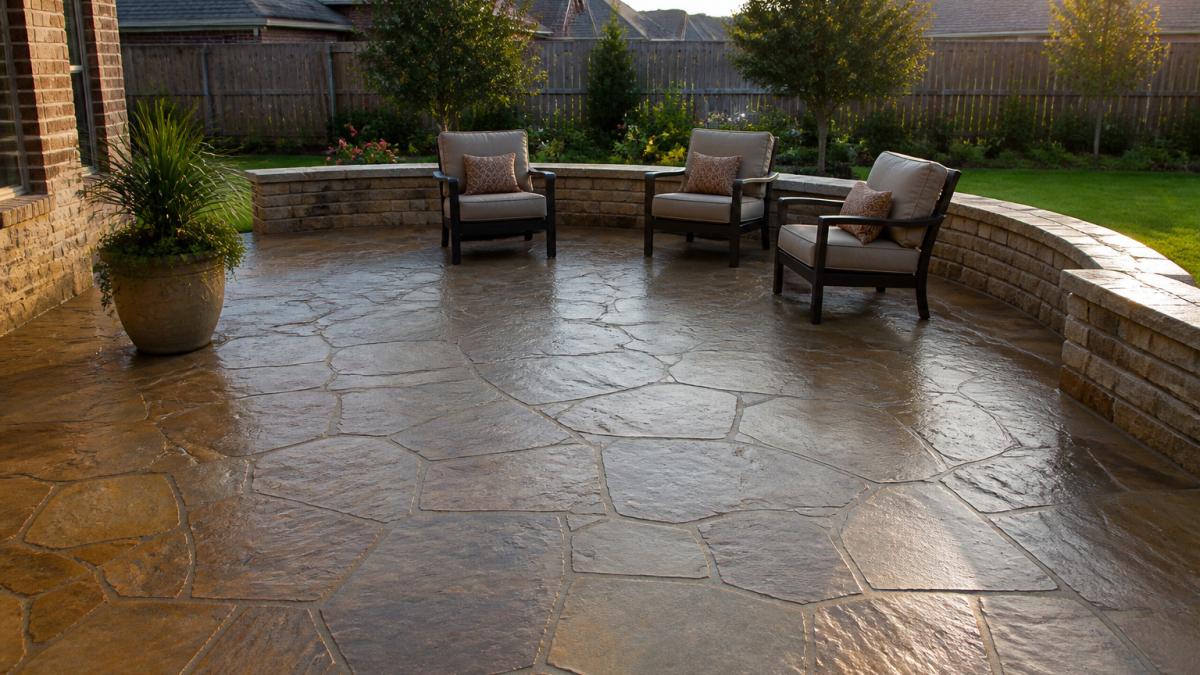
Weekend refreshes (roughly $50-$500 in materials)
These moves can change how the patio reads in photos and at showings.
- Pressure wash concrete, pavers, or stone to lift dirt, mildew, and leaf stains. Rent a pressure washer for a day rather than buying one; a light pass at moderate pressure is usually enough, and too much pressure can pit concrete or strip sealer.
- Sweep and re-sand paver joints where sand has washed out. Fresh polymeric sand tightens the look of a paver patio and helps slow weed growth.
- Pull weeds from joints and edges, then spot-treat with a patio-safe cleaner.
- Reset a handful of loose or rocking pavers by lifting, re-leveling the bedding sand, and tapping them back into place.
- Replace faded or torn outdoor cushions, add a simple table and two chairs, and put matching planters at the corners to frame the space.
- Clean light fixtures and replace burned-out bulbs; even a small patio reads better at dusk with working lighting.
Short projects (roughly $500-$2,500 depending on patio size and condition)
These may be considered when the patio is visibly worn but structurally sound.
- Reseal stone or concrete to restore color and slow future staining. Sealer is cheap relative to replacement, but it will not fix cracking or heaving, see the repair-or-replace section below. For a deeper comparison of materials before you choose upgrades, see Best Patio Materials for Resale Value.
- Replace a small run of damaged pavers or a cracked step tread rather than the whole surface.
- Add a simple border or edge restraint to tidy up the perimeter where grass or mulch has crept in.
- Install low-voltage landscape lighting along the patio edge or steps for evening showings. Kits are widely available and typically run on a transformer, so no new wiring inside the house is needed.
- Add a small gravel or mulch bed with low-maintenance plants along one edge to soften the transition from patio to yard.
Projects worth pricing out before you commit (roughly $2,500 and up)
Some projects may be considered when a patio is clearly outdated or damaged. These include re-leveling a sunken section, correcting grading so water drains away from the house, adding a border or retaining edge, or installing built-in lighting. Whether these returns justify the spend depends on your home's price point and your local market, so compare the cost against what similar homes nearby have sold for. A common pattern is that sellers in a neighborhood where most homes have plain concrete patios get more benefit from cleaning and staging than from adding a premium hardscape feature that buyers there do not expect. Restoring the original surface through professional patio cleaning often provides a more cost-effective way to refresh the space without the significant investment required for a full structural overhaul.
Get a current quote for your specific project rather than relying on a national average.
Repair or Replace: Deciding What Your Patio Needs
The right choice depends on the condition of the surface and the foundation beneath it. A patio with surface stains, minor chips, or a few loose pieces is usually a repair candidate. A patio with widespread cracking, heaving, or drainage problems may need replacement.
Look at how the patio drains. Standing water after rain is a warning sign buyers will notice. If you see pooling, the problem may be grading or drainage rather than the surface itself, and fixing the surface alone will not solve it.
Watch out: covering a failing patio with a fresh coat of sealer can hide problems that a buyer's inspector will find later. Address structural issues first.
Patio Staging Ideas That Photograph Well for Listings
Listing photos often decide whether buyers book a showing, so the patio deserves attention before the photographer arrives. Clear clutter, sweep thoroughly, and remove anything that is broken or faded.
Arrange two or three chairs around a small table to show how the space can be used. Add a few plants in matching containers for color. Keep the layout simple so the surface and proportions stand out in the frame.
Shoot during the best light of the day, typically when the sun is low and the patio is not in harsh shadow. Clean outdoor furniture and cushions make a noticeable difference in the final images.
Realistic Resale ROI: What Patio Projects Return
Patio work can support a sale, but it rarely returns its full cost dollar for dollar. The honest framing is that patio upgrades mostly work through perceived appeal, they help a buyer feel the home is cared for and move-in ready, rather than through a guaranteed bump in appraised value. Those are two different things, and confusing them is how sellers overspend.
Why cost-recovery figures are unreliable for patios
You will see confident-sounding cost-recovery percentages for outdoor projects, but treat them as rough national averages at best. Returns vary by location, condition, buyer demand, and how the improvement compares with neighboring homes. A patio upgrade that reads as standard in one neighborhood can read as an over-improvement in another, and an appraiser may give it little or no separate value if similar homes already have comparable outdoor space. The supplied data behind most published figures does not show methodology or local-market context, so use them as a starting point for a conversation, not a forecast.
A practical way to estimate your likely return
- Pull recent sales of three to five similar homes nearby, same approximate size, age, and outdoor space.
- Note which of those homes had a patio that looked clean, level, and usable in listing photos, and which did not.
- Compare your planned spend with the price gap between the strongest and weakest comparable sales. If the gap is small, keep your spend small.
- Ask a local real estate agent or appraiser how buyers in your price range respond to outdoor space. They see which features actually move offers in your market.
Where the money usually goes furthest
- Cleaning, sealing, and re-sanding are almost always worth doing because they are cheap and visible.
- Staging and lighting change how the patio photographs, which affects showing requests.
- Structural repairs, drainage, grading, re-leveling, are worth doing when a problem would otherwise show up in an inspection and become a negotiation point.
- Large new features are the riskiest spend. Avoid adding something expensive and new that only you will enjoy, especially if comparable homes nearby do not have it.
Restoring what the patio already has is one option to consider. Treat any return estimate as uncertain, and compare your planned spend with recent nearby sales before you commit.
Patio projects rarely return their full cost, so compare your planned spend with what similar nearby homes sold for.
| Project tier | Rough cost | Note |
|---|---|---|
| Weekend refreshes | $50-$500 in materials | Cleaning, sealing, staging; usually worth doing |
| Short projects | $500-$2,500 | Depends on patio size and condition |
| Pricier projects | $2,500 and up | Compare against nearby sales first |
| Cost-recovery figures | Rough national averages | Vary by location; treat as a starting point |
DIY Versus Professional Work: Where to Draw the Line
Simple tasks like cleaning, sealing, and adding planters are well suited to a do-it-yourself approach. These require basic tools and time, not specialized skills.
Professional work makes more sense for re-leveling, drainage correction, replacing many pavers, or any structural repair. Mistakes in these areas can cause problems that show up after a sale, when they are harder and more costly to fix.
A common mistake is attempting a structural fix to save money, then having to pay twice. If a problem involves water flow or the base beneath the surface, it is usually worth a professional assessment first.
Booking Your Patio Assessment Before You List
Before you list, a professional assessment can show you which upgrades are worth doing and which are not.
Frequently Asked Questions
What patio improvements add the most value when selling a home?
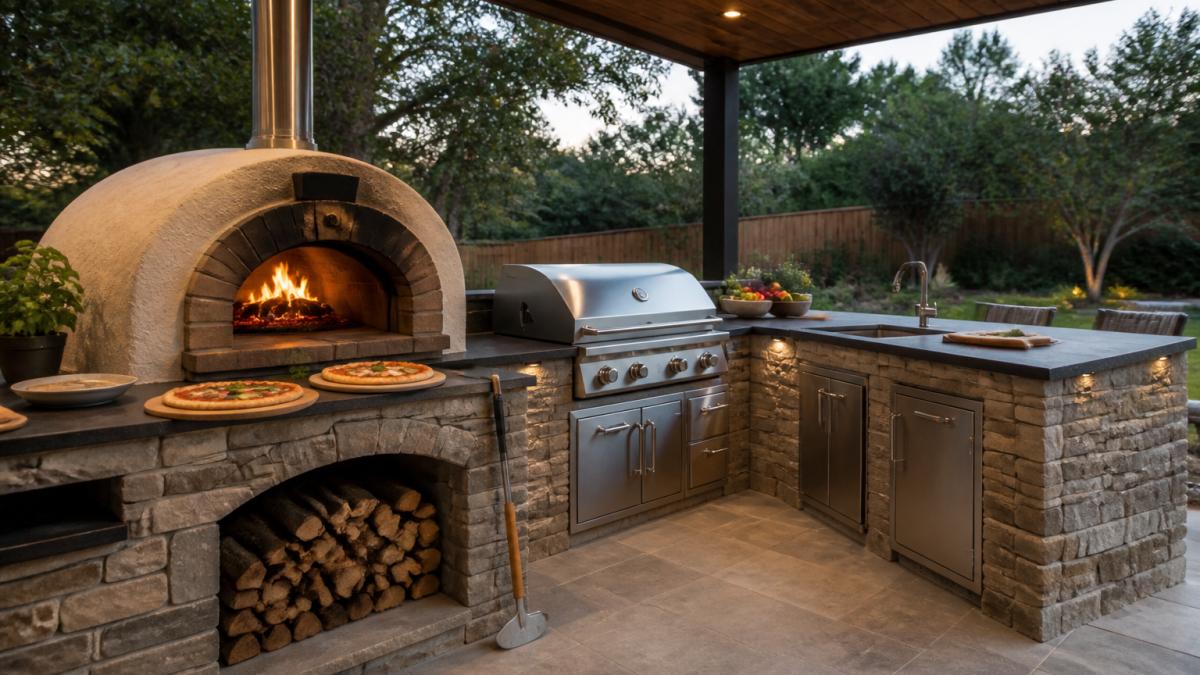
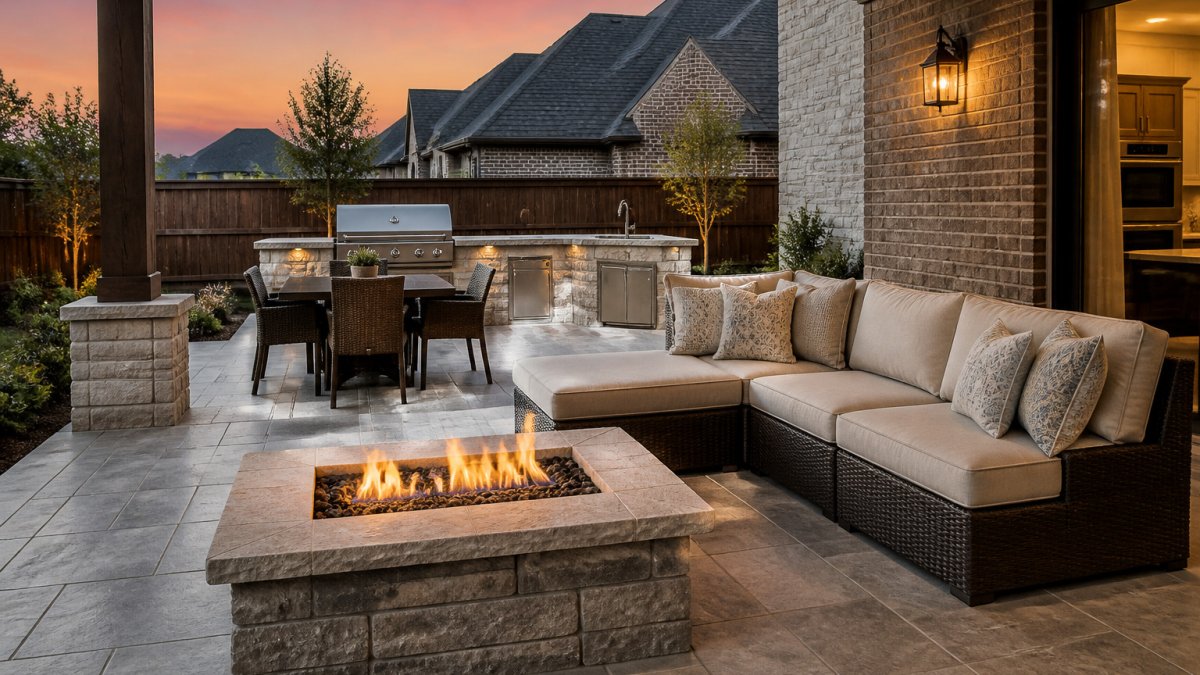
Clean, level, and visually intact surfaces tend to matter most to buyers, because they signal that the outdoor space is usable and well kept. Pressure washing, resealing or regrouting pavers, fixing trip hazards, and adding a few clean furniture pieces are possible steps. Larger additions such as an outdoor kitchen or fire pit can help a listing stand out, but their resale return varies widely by market and price point. Request a current quote from Moises Pizana Hardscapes before budgeting.
Should I repair or replace a patio before selling?
Repair is usually the better choice when cracks are isolated, pavers are shifted in only a few spots, or the surface is stained but structurally sound. Replacement makes more sense when settling is widespread, drainage is causing repeated damage, or the surface is failing across most of the area. A patio that looks clearly neglected can weaken a buyer's impression of the whole property, so addressing obvious damage before listing is often worthwhile. An on-site evaluation is one way to decide.
How much should I spend on patio improvements before selling?
Many sellers focus on quick, inexpensive fixes that improve appearance without major construction, then reserve larger spending for cases where a problem would clearly hurt the sale. Start with cleaning, minor repairs, and staging, and only consider bigger projects if the payoff relative to your home's value makes sense. Request a quote from Moises Pizana Hardscapes rather than relying on general estimates.
Does a well-maintained patio help a home sell?
A well-maintained patio can improve how a home looks in listing photos and during showings, since outdoor space is often part of what buyers imagine when they picture daily life. It is one factor among many, and buyers also weigh location, interior condition, and price. Keeping the patio clean, free of trip hazards, and visually tidy is a practical way to avoid giving buyers a reason to discount the property in their minds.