 listicle
Small Backyard Hardscape Design Ideas (2026)
Table of Contents
- Why Small Backyard Hardscape Design Matters More Than You Think
- Small Backyard Patio Ideas That Actually Work in Tight Spaces
- 8 Small Backyard Hardscape Design Ideas to Transform Your Outdoor Space
- 1. Multi-Functional Furniture and Seat Walls
- 2. Vertical Gardening and Privacy Screens
- 3. Fire Pit as a Focal Point
- 4. Water Features for Ambiance in Small Spaces
- 5. Ambient Lighting Design
- 6. Retaining Walls and Raised Garden Beds
- 7. Permeable Hardscape for Drainage Problems
- 8. Outdoor Kitchen or Grill Station
- Hardscape vs Softscape Cost: Where to Spend Your Budget
- DIY Backyard Hardscape Projects vs. Hiring a Professional
- Zoning, Permits, and Codes: What DFW Homeowners Need to Know
- Frequently Asked Questions
Why Small Backyard Hardscape Design Matters More Than You Think
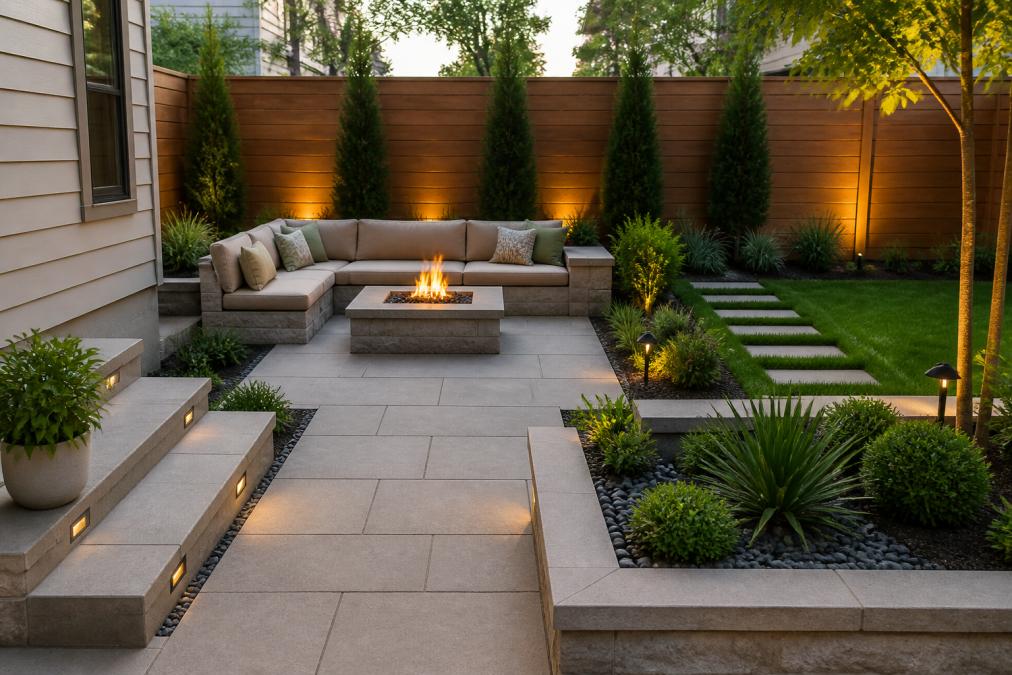
Small backyard hardscape design uses durable materials like pavers, stone, concrete, and wood to transform cramped yards into functional outdoor living spaces that add genuine home value. Most homeowners treat small backyards as limitations; the best designers treat them as constraints that force smarter decisions. According to the National Association of Realtors' Remodeling Impact Report, outdoor living projects rank among the highest-ROI home improvements for resale. In the DFW market, where summers push families outdoors for nine months yearly, a well-executed patio isn't a luxury, it's a selling point.
Below, we'll cover eight specific design ideas, materials that hold up in North Texas heat, when to DIY versus hire a pro, and permit questions DFW homeowners often overlook.
Small Backyard Patio Ideas That Actually Work in Tight Spaces
The biggest mistake in small backyard patio design is scaling down large-yard concepts. A tiny version of a sprawling patio looks incomplete. The better approach is designing specifically for your dimensions, using spatial planning that makes compact areas feel intentional rather than cramped.
Define Zones With Purpose Before You Pour a Single Paver
Zone definition is the foundation of successful small backyard hardscape. Before selecting materials, identify what activities the space needs to support: dining, lounging, grilling, or combinations. A 12-by-14-foot backyard can realistically hold a dining zone and fire pit zone if circulation paths are planned from the start. Assign every square foot a purpose before laying a single paver.
Large-format pavers (18-by-18 or 24-by-24 inches) often make small patios feel more expansive because they reduce grout lines. Small cobblestone patterns can make compact patios feel smaller.
Hardscape Materials: Pavers, Flagstone, Gravel, and Decking
Concrete pavers are the DFW hardscaping workhorse. They handle clay soil movement better than poured concrete and damaged pieces can be replaced individually.
Flagstone delivers natural, organic aesthetics but requires more skilled installation and wider mortar joints that can harbor weeds.
Decomposed granite and gravel are the most affordable options, working well for low-traffic zones. They require periodic replenishment.
Composite or pressure-treated decking works when grade changes make ground-level patios impractical.
| Material | Best For | Maintenance Level | DFW Durability |
|---|---|---|---|
| Concrete Pavers | Patios, driveways, walkways | Low | Excellent |
| Flagstone | Natural aesthetic, garden paths | Medium | Good |
| Decomposed Granite | Low-traffic zones, borders | Medium | Good |
| Composite Decking | Sloped yards, elevated spaces | Low | Good |
| Gravel | Borders, drainage areas | Medium | Excellent |
8 Small Backyard Hardscape Design Ideas to Transform Your Outdoor Space
These ideas have been installed in real DFW backyards, sized and adapted for compact spaces.
1. Multi-Functional Furniture and Seat Walls
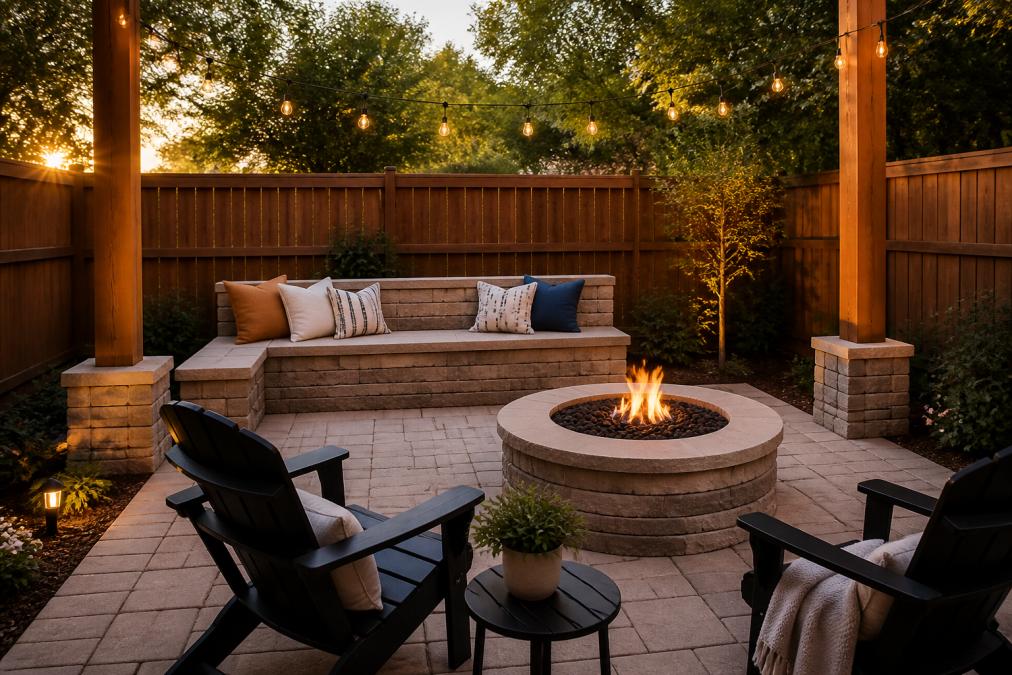
Built-in seat walls are the most space-efficient seating feature. A seat wall running along a 10-by-12-foot patio perimeter can seat six to eight people without occupying usable floor area. Pair with removable cushions for flexible seating that disappears when not in use.
2. Vertical Gardening and Privacy Screens
Vertical space is the most underused resource in small backyards. A privacy screen along the back fence line creates visual separation and provides a vertical surface for climbing plants, wall-mounted planters, or water features. Trellis systems supporting jasmine, Confederate star jasmine, or climbing roses add texture and privacy without consuming ground space.
3. Fire Pit as a Focal Point
Every well-designed outdoor space needs a focal point. A round gas or wood-burning fire pit positioned at the center or far end creates a natural gathering point. Seating radiates outward, which is both functional and visually coherent. Keep the fire pit diameter proportional, a 36-inch diameter works well in a 12-by-14-foot patio.
4. Water Features for Ambiance in Small Spaces
A small pondless waterfall or freestanding fountain fits in a 4-by-4-foot footprint and delivers ambient sound that masks neighborhood noise. Moving water creates a psychological sense of space by shifting attention from visual boundaries to auditory experience.
5. Ambient Lighting Design
Effective ambient lighting uses three layers: path lighting at ground level, uplighting for architectural features, and string or pendant lighting overhead. Overhead lighting strung between posts or a pergola transforms perceived scale in compact patios.
6. Retaining Walls and Raised Garden Beds
Sloped DFW backyards are common. A two-tiered retaining wall converts slopes into two distinct zones: a lower hardscape patio and upper planting bed. According to the Texas AgriLife Extension Service's residential landscaping guidance, retaining walls in North Texas must account for expansive clay soils that exert significant lateral pressure after rain.
7. Permeable Hardscape for Drainage Problems
Clay-heavy DFW soils don't absorb water quickly. Permeable pavers with open joints filled with aggregate allow stormwater to filter through rather than running off. Installation requires a carefully engineered base with specific aggregate gradation. Some DFW municipalities have stormwater management requirements where permeable hardscape qualifies for favorable treatment.
8. Outdoor Kitchen or Grill Station
A compact L-shaped or straight-run grill station with built-in grill, prep counter, and mini-refrigerator fits in a 6-by-8-foot zone. An outdoor kitchen needs a concrete or masonry base supporting stone veneer, grill unit, and countertop materials. Poured concrete footings or concrete block substructure are standard.
Hardscape vs Softscape Cost: Where to Spend Your Budget
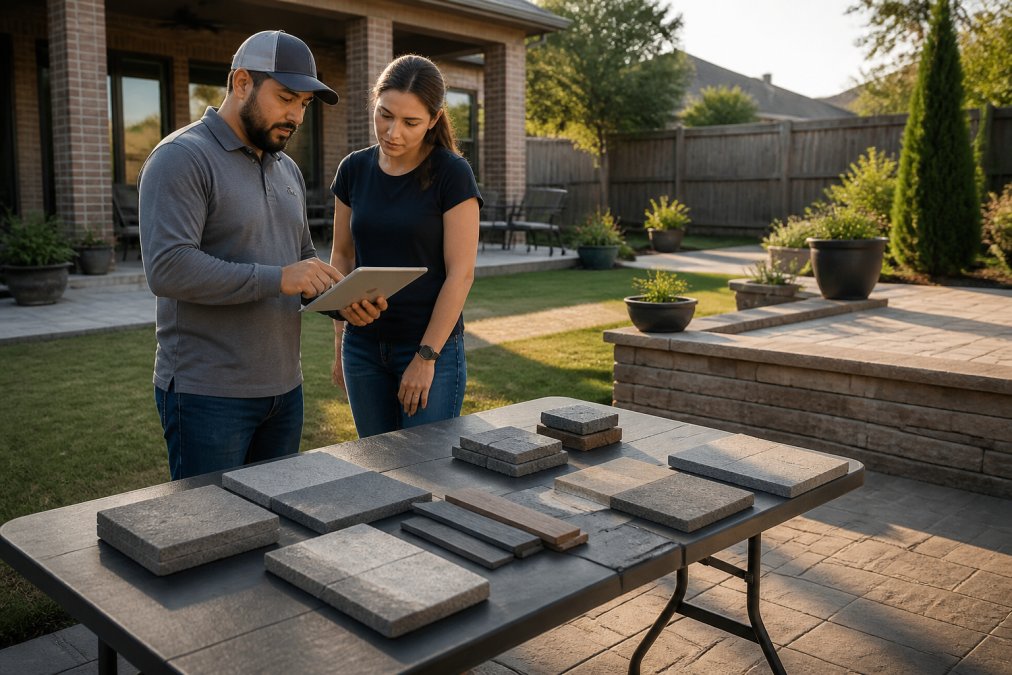
Hardscape installations carry higher upfront costs but require minimal maintenance. Softscape elements cost less to install but require ongoing labor and replacement. For small DFW backyards, allocate the majority of budget to hardscape first, then layer in softscape as budget allows. Hardscape defines space permanently; plants can be added incrementally.
| Budget Priority | Hardscape Element | Softscape Alternative | Long-Term Maintenance |
|---|---|---|---|
| High ROI | Paver patio | Lawn area | Lawn requires weekly mowing |
| High ROI | Retaining wall | Slope planting | Plants need seasonal replacement |
| Medium ROI | Outdoor kitchen | Portable grill | Portable unit wears faster |
| Medium ROI | Built-in lighting | Potted plants | Pots need watering and replanting |
| Lower ROI | Decorative gravel | Mulch beds | Mulch needs annual topping |
According to the American Society of Landscape Architects' residential design guidelines, integrating hardscape and softscape in balanced proportions produces the most durable and visually satisfying outdoor spaces. Structural hardscape elements should be designed first.
DIY Backyard Hardscape Projects vs. Hiring a Professional
Some hardscape work is genuinely accessible to motivated DIYers; some isn't.
What You Can Realistically DIY
- Gravel and decomposed granite areas: Excavate 4 inches, lay landscape fabric, add and compact aggregate.
- DIY fire pit kits: Belgard's concrete block fire pit kits are designed for homeowner installation.
- Small water features: Aquascape's pondless waterfall kits are designed for DIY installation.
- Low-voltage landscape lighting: VOLT Lighting's kits are designed for DIY installation.
- Raised garden bed borders: Dry-stacked block raised beds at 12 to 18 inches are within DIY capability.
When Professional Installation Is Worth It
Retaining walls over 30 inches tall require engineered design and building permits. Outdoor kitchens with gas connections require a licensed plumber. Large paver installations benefit from professional execution, improper base preparation causes settlement and drainage problems within years.
Zoning, Permits, and Codes: What DFW Homeowners Need to Know
Permit requirements vary by DFW municipality.
Retaining walls over 30 inches (some jurisdictions set 24 inches) require building permits. Walls over 4 feet typically require engineered drawings.
Patios and pavers at grade level generally don't require permits, but some cities have impervious cover limits. Adding a large patio could exceed those limits.
Outdoor kitchens and fire features with gas connections require plumbing permits and licensed plumber work. Electrical connections require electrical permits.
HOA restrictions are often more restrictive than municipal codes. Check CC&Rs before finalizing design.
Call your city's development services department, describe your project scope, and ask directly whether a permit is required. According to the City of Fort Worth Development Services permitting guide, permit applications can be submitted online and pre-application consultations are available.
Small backyard hardscape projects in the DFW area present real challenges: expansive clay soils, drainage constraints, summer heat, and HOA requirements all factor into execution. Moises Pizana Hardscapes brings more than 15 years of hands-on experience to every project, with an in-house crew and equipment handling everything from custom paver patios and built-in seat walls to retaining walls and outdoor kitchens. If you're ready to turn your compact backyard into a functional outdoor living space, get a quote from Moises Pizana Hardscapes and see what's possible on your specific site.
Frequently Asked Questions
What is the cheapest way to hardscape a small backyard?
Gravel and decomposed granite are among the most budget-friendly hardscape materials. They require minimal labor, drain well, and work in tight spaces. Concrete pavers from all-in-one kits are another cost-effective option for a defined patio area. For the lowest total cost, keep the footprint simple, avoid complex cuts, and limit the number of materials. Mixing one primary hardscape surface with a gravel border keeps both material and installation costs down without sacrificing a clean, finished look.
Does hardscaping add value to a home?
Yes. A well-executed small backyard hardscape consistently improves resale appeal, particularly in markets like DFW where outdoor living is a year-round priority. Patios, walkways, and outdoor kitchens rank among the outdoor improvements buyers notice most. The actual return depends on the quality of materials, the craftsmanship, and how well the design fits the home's style. A professionally installed patio or retaining wall that solves a real problem, like drainage or slope, tends to add more value than purely decorative additions.
How can I make a small backyard look bigger with hardscaping?
Lay pavers in a diagonal pattern rather than straight rows, it draws the eye toward the corners and makes the space read as larger. Keep the hardscape surface continuous rather than breaking it into multiple small sections. Use vertical elements like pergolas, privacy screens, or stone veneer walls to pull attention upward. Limit your material palette to two or three complementary textures so the space feels cohesive. Outdoor rugs and low-profile furniture also help define zones without visually crowding the area.
What are the best materials for small backyard hardscaping?
Concrete pavers and flagstone are the most versatile choices for small backyard patios because they come in sizes that scale well to tight spaces and handle Texas heat reliably. Gravel works well as a low-maintenance lawn alternative or border material. For drainage-challenged yards, permeable interlocking pavers manage stormwater without sacrificing aesthetics. The right material depends on your drainage needs, sun exposure, and how much maintenance you want, a hardscape contractor can match material specs to your specific site conditions.
Do I need a permit to build a patio or retaining wall in the DFW area?
Permit requirements vary by city. In most DFW municipalities, a ground-level patio under a certain square footage does not require a permit, but retaining walls over a set height, often 30 inches, typically do. Structures like pergolas and outdoor kitchens with gas or electrical connections almost always require permits. Check with your specific city's building and development services department before starting any project. A licensed hardscape contractor familiar with local codes can help you identify what approvals are needed upfront.