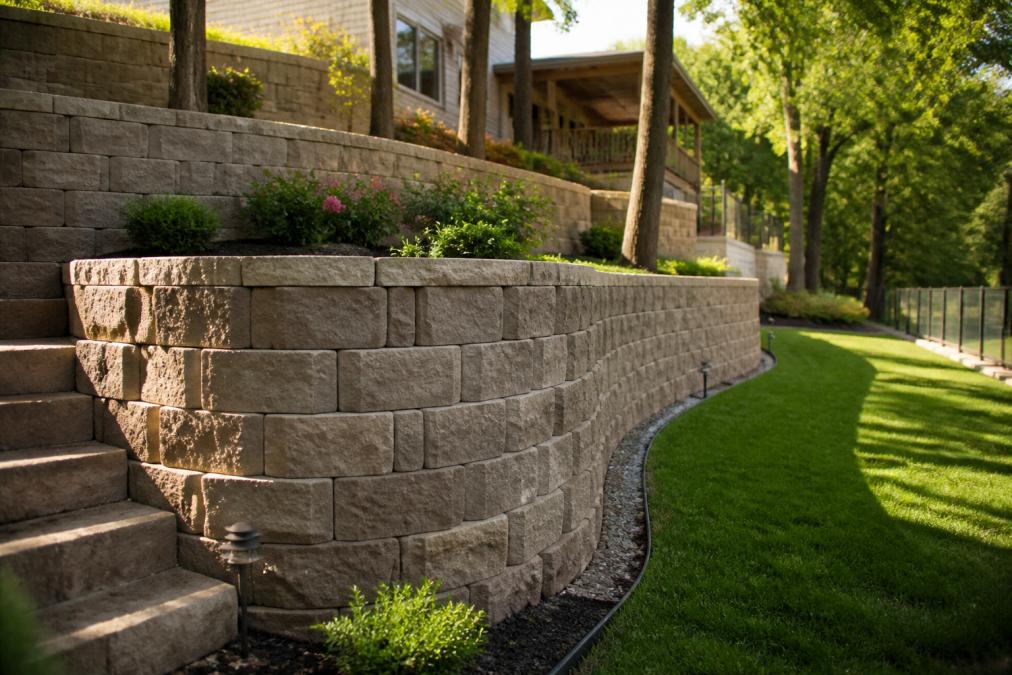
 ultimate-guide
Is a Retaining Wall Worth It for Property Value?
Table of Contents
- The Real ROI of a Retaining Wall: What Homeowners Gain
- Retaining Wall Cost Estimation: What to Expect
- Retaining Wall Material Types and Their Long-Term Value
- Retaining Wall Maintenance Tips to Protect Your Investment
- Structural Integrity and Erosion Control: The Hidden Value
- Permitting and Legal Requirements You Can't Ignore
- Professional Installation vs. DIY: Which Protects Your Property Value?
- Conclusion: Is a Retaining Wall Worth It for Your Property?
- Frequently Asked Questions
Last Updated: September 23, 2026
The Real ROI of a Retaining Wall: What Homeowners Gain
Homeowners researching whether a retaining wall is worth it for property value are asking the right question, because the answer depends on why the wall goes in. A retaining wall that solves a real grading or erosion problem tends to hold or raise value; a purely decorative wall in a yard with no slope problem is a different story.
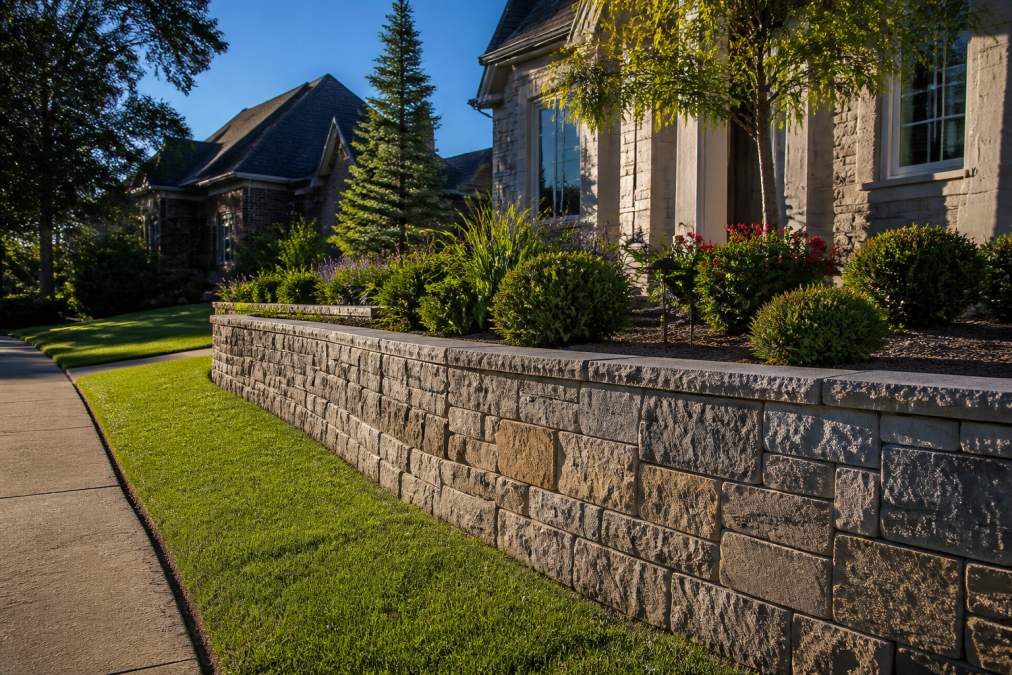
At Moises Pizana Hardscapes, we build retaining walls and outdoor living spaces across the Dallas and Fort Worth area, and the pattern is consistent: walls that fix a structural or drainage issue get their money back at resale, while purely decorative walls often do not.
How Retaining Walls Boost Resale Value
A retaining wall adds value when it turns unusable or unstable ground into something a buyer can use. By terracing a sloped yard, a wall creates flat space for a patio, garden beds, or an outdoor living area, the kind of functional improvement buyers notice during a home inspection.
When a Retaining Wall Hurts Value
A retaining wall can hurt value when it solves a problem that did not exist, or when it is built poorly. Cracking, leaning, or poor drainage during a home inspection reads as a future repair bill and gets priced into a lower offer.
Retaining Wall Cost Estimation: What to Expect
Retaining wall cost estimation depends on height, length, material, site access, and how much soil pressure the wall must hold back. No single per-square-foot number applies to every yard, which is why contractor quotes vary so widely.
Here is what actually drives the estimate:
- Wall height and length: Taller, longer walls use more material and require more engineering.
- Material choice: Natural stone, concrete block, and timber have very different price points.
- Site access: Tight backyards or steep slopes slow down equipment and labor.
- Drainage and backfill: Proper gravel backfill, weep holes, and geogrid add cost but prevent failure.
Retaining Wall Material Types and Their Long-Term Value
| Material | Typical Lifespan | Maintenance Level | Relative Upfront Cost | Buyer Perception at Resale |
|---|---|---|---|---|
| Segmental concrete block (SRW) | 50+ years with proper base and drainage | Low | Moderate | Neutral to positive, reads as engineered and permanent |
| Natural stone (mortared or dry stack) | 50-100+ years | Low to moderate | High | Strong positive, signals high-end landscaping |
| Poured concrete | 50+ years | Low | Moderate to high | Neutral, functional, not decorative |
| Timber (pressure-treated) | 10-20 years | High | Low | Negative if aged, reads as deferred maintenance |
Buyers and inspectors also notice whether the material matches the rest of the property. A natural stone wall beside a vinyl-sided house with a plain concrete walkway looks out of place, while a segmental block wall matching the exterior looks intentional. Material consistency across walls, walkways, and patios signals a maintained property rather than a patched-together one. This commitment to visual harmony extends to the overall upkeep of the home, where consistent exterior cleaning value ensures that every surface reflects the same level of care and attention to detail.
Retaining Wall Maintenance Tips to Protect Your Investment
Retaining wall maintenance tips matter more than most homeowners expect, because small problems become structural failures if ignored. A wall that drains well and stays level can last decades; one that traps water will not.
Check these items each year:
- Weep holes: Confirm they are clear so water can escape.
- Drainage: Watch for pooling or soggy soil behind the wall after heavy rain.
- Movement: Look for bulging, leaning, or widening gaps between blocks.
- Vegetation: Keep roots and heavy shrubs from pushing against the wall.
Structural Integrity and Erosion Control: The Hidden Value
Structural integrity and erosion control are the parts of a retaining wall a buyer cannot see, and they are often the most valuable, or the most expensive to get wrong. A properly engineered wall manages soil pressure and grading so water moves where it should instead of washing away your yard. A poorly built one fails years later, often right when you are trying to sell.
What Actually Holds a Wall Up
Soil is heavy; saturated soil is heavier. The force soil and water exert against the back of a retaining wall is lateral earth pressure, the single biggest reason walls fail. A gravity wall resists that pressure with its own weight and works only up to a point. Geogrid reinforcement extends into the soil behind the wall, tying it to the earth it holds back, which is why taller walls almost always require geogrid, and why skipping it is a common shortcut in low-bid installations.
Drainage Is the Difference Between a 50-Year Wall and a 5-Year Wall
Water is the enemy of every retaining wall. When it cannot drain, hydrostatic pressure builds behind the wall, pressure that can exceed the weight of the soil itself. The components that prevent this are not optional:
- Gravel backfill: Crushed stone placed directly behind the wall lets water move down instead of pushing against the blocks.
- Weep holes: Small openings near the base of the wall allow collected water to escape. Clogged weep holes are one of the most common causes of wall failure.
- Drain pipe (perforated): A perforated pipe at the base of the backfill carries water away from the wall to a safe discharge point.
- Filter fabric: Prevents fine soil from migrating into the gravel and clogging the drainage system over time.
- Geogrid: Reinforcing mesh layered into the backfill that ties the wall to the retained soil.
Why This Matters at Resale
Home inspectors and buyers' agents look for specific warning signs on retaining walls: bulging, leaning, horizontal cracks, gaps between blocks, soil settling behind the wall, and water staining or efflorescence on the face. Any of these can trigger a structural evaluation, delaying closing and giving the buyer leverage to renegotiate.
The Erosion Control Value Buyers Do Not See
Erosion control is the quieter half of the value equation. A wall that redirects water away from a foundation, driveway, or landscaped slope prevents slow damage that shows up as foundation cracks, washed-out plantings, and standing water. Buyers may not evaluate drainage, but their inspector does, and a dry, stable slope with a properly built wall passes inspection without red flags, value you keep at closing.
FEMA guidance on erosion and drainage around residential structures
Permitting and Legal Requirements You Can't Ignore
Permitting and legal requirements are the angle most guides skip, and skipping them can cost you at resale. Many municipalities require a permit for retaining walls above a certain height, and zoning rules may govern how close a wall can sit to a property line.
Professional Installation vs. DIY: Which Protects Your Property Value?
Professional installation versus DIY comes down to one question: will the wall still be standing, and still be permitted, when you sell? A small decorative wall under a foot or two tall is a reasonable DIY project; anything taller, or holding back a slope, is not.
Conclusion: Is a Retaining Wall Worth It for Your Property?
A retaining wall is worth it for property value when it solves a real problem: a slope that erodes, a yard that floods, or ground that cannot be used. Then it pays for itself through usable space, erosion control, and a cleaner home inspection. A wall built only for looks, in a yard with no real issue, rarely returns the investment.
Frequently Asked Questions
Does a retaining wall increase property value?
A retaining wall can increase property value by making sloped land usable, preventing erosion, and improving curb appeal. Well-executed hardscaping projects can offer a good return on investment at resale. However, the exact return depends on your local market, the wall's quality, and whether it solves a real problem like drainage or soil instability. A structural wall that fixes erosion adds more value than a purely decorative one.
What is the 1/3 rule for retaining walls?
The 1/3 rule is a general guideline for retaining wall design: the wall's height should not exceed one-third of the horizontal distance from the wall to the slope above it. This rule helps prevent soil pressure from causing structural failure. For example, a 3-foot wall should have at least 9 feet of flat ground behind it before the slope rises. Following this rule reduces the risk of collapse and costly repairs.
How does retaining wall cost estimation work?
Retaining wall cost estimation depends on wall height, length, material, site access, and drainage requirements. Contractors calculate square footage of the wall face and factor in excavation, backfill, geogrid, and labor. For a typical residential wall, you can expect to pay more for natural stone or mortared block than for dry-stack concrete. Always get a detailed quote that includes permits and soil testing, and avoid estimates that seem too low.
What are the primary benefits of installing a retaining wall?
The primary benefits include erosion control, added usable land, improved drainage, and enhanced curb appeal. A retaining wall holds back soil on sloped properties, preventing landslides and foundation damage. It also creates flat areas for patios, gardens, or outdoor living spaces. From a financial perspective, these improvements can increase your home's marketability and resale value, especially in areas with hilly terrain.