 listicle
Hiring Local Hardscape Contractors in DFW
Table of Contents
- What to Expect From Professional Hardscape Contractors
- Questions to Ask Hardscape Contractors Before You Hire
- How to Check Contractor References and Verify Experience
- Understanding the Cost of Paver Patio Installation
- Services Offered by Local Hardscape Professionals
- Why Local Expertise Matters in the DFW Area
- How to Choose the Right Hardscape Contractor for Your Project
- Frequently Asked Questions
Last Updated: August 23, 2026
What to Expect From Professional Hardscape Contractors
When you hire a hardscape contractor, you're investing in expertise in designing and building outdoor structures that withstand your region's climate and soil conditions. Professional hardscape contractors handle everything from initial site assessment through final installation, managing foundation work, drainage, material selection, and finishing touches.
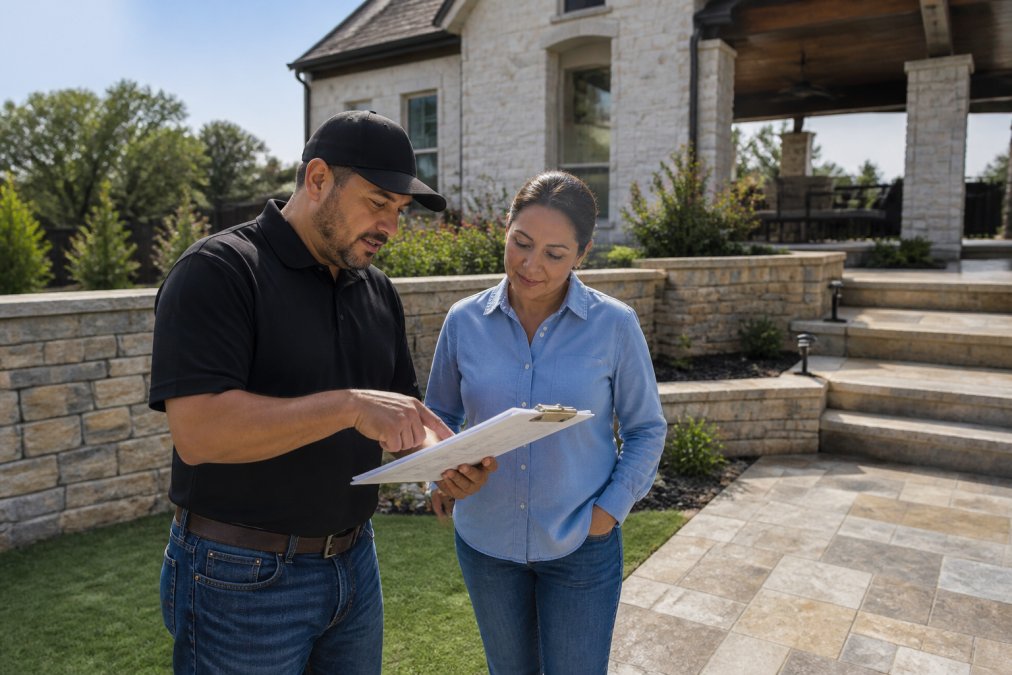
A qualified hardscape contractor will conduct a thorough site consultation before quoting any work, evaluating soil composition, drainage patterns, existing grading, and structural challenges specific to your property. This upfront assessment prevents costly mistakes later. The contractor should explain their process clearly: site preparation, base installation, material placement, compaction, and finishing work. The best contractors provide detailed written estimates breaking down labor, materials, and timeline, explaining why certain approaches work better for your specific conditions rather than offering one-size-fits-all solutions.
When hiring local hardscape contractors in DFW, look for professionals who understand how the region's clay soil, seasonal weather patterns, and local building codes affect project outcomes. Moises Pizana Hardscapes brings over 15 years of hands-on experience to every project, using in-house crews and equipment rather than subcontracting work, ensuring quality control and faster project completion. Professional contractors communicate proactively with regular progress updates, advance notice of changes, and a clear point of contact for questions. Reputable contractors stand behind their work with warranties and post-installation support.
Questions to Ask Hardscape Contractors Before You Hire
Asking the right questions separates contractors who understand your needs from those running through a generic checklist.
Licensing, Insurance, and Bonding
Before discussing design or pricing, verify that any contractor is properly licensed and insured. Ask for their license number and confirm it's current with the appropriate state or local licensing board. Request proof of general liability insurance and workers' compensation coverage. A contractor without proper insurance shifts risk to you if someone is injured on your property or property damage occurs. Bonding provides additional protection: a performance bond guarantees the contractor will complete the work as specified, while a payment bond protects suppliers and subcontractors if the contractor fails to pay them. Legitimate contractors expect these questions and have documentation ready.
Timeline and Project Management
Ask for a realistic timeline broken down by phase: site prep, base installation, material placement, and finishing. Ask what could delay the project, weather, unexpected soil conditions, permit delays, and how they handle setbacks. Clarify who manages the project day-to-day and whether the same crew works from start to finish. Ask how they handle communication and whether they work weekends or have specific working hours. A contractor who has thought through these details demonstrates professionalism.
Warranty and Post-Installation Support
Ask what they warranty and for how long. Do they guarantee structural integrity, or just materials? Ask whether warranty coverage includes repairs or replacements and what conditions might void it. Post-installation support matters too, ask whether they provide maintenance recommendations specific to your materials and whether they're available for follow-up work like resealing pavers or addressing drainage issues that appear later.
How to Check Contractor References and Verify Experience
References reveal what working with a contractor actually feels like. Ask for at least three references from projects completed in the past 2-3 years, preferably similar in scope and complexity to yours. When you contact references, ask specific questions: Did the project stay on budget and timeline? Was the contractor responsive to changes? How does the finished work look and perform months later? Have any issues emerged, and were they addressed promptly?
Beyond references, verify the contractor's experience with your specific project type. Check online reviews on platforms like Angi's contractor directory and reviews, Houzz's professional network, and the Better Business Bureau ratings. Look for patterns in feedback, recurring themes about communication, quality, or timeline matter more than isolated complaints. Local expertise also matters: ask how long the contractor has worked in the DFW area and what they understand about regional challenges like soil composition, drainage patterns, and building code requirements.
Understanding the Cost of Paver Patio Installation
Cost depends on materials, size, site conditions, and complexity. Material choice is the primary cost driver: concrete pavers cost less than natural stone like flagstone or travertine, while permeable pavers designed for drainage cost more than standard pavers. Larger patios spread labor costs across more square footage, lowering per-square-foot pricing. A simple rectangular patio costs less than one with curves, multiple levels, or integrated features like seating walls or fire pits.
Site preparation significantly affects cost. If your yard has good drainage and level ground, installation is straightforward. If you have poor drainage, significant grading needed, or unstable soil, the contractor must invest more time and materials in site prep. Labor costs vary by contractor experience and local market rates. When comparing quotes, examine what's included, one quote might include site prep and drainage while another lists those as add-ons. Request detailed written estimates from at least two or three contractors with the same site information and design expectations so quotes are comparable.
Services Offered by Local Hardscape Professionals
Local hardscape contractors offer a range of services beyond basic patio installation.
Retaining Walls and Drainage Solutions
Retaining walls prevent soil erosion on slopes, create level planting areas, and add visual interest to landscapes. Contractors build them from concrete blocks, natural stone, or timber, depending on height, soil pressure, and design preference. Proper construction requires understanding soil mechanics and drainage; a poorly built wall fails within a few years as water pressure causes shifting or collapse.
Drainage solutions are critical in the DFW area where clay soil doesn't absorb water well. Contractors install French drains, catch basins, and grading systems to direct water away from structures and prevent pooling. A contractor experienced in drainage design assesses water flow during the site consultation and builds solutions into the project plan.
Outdoor Living Spaces and Custom Features
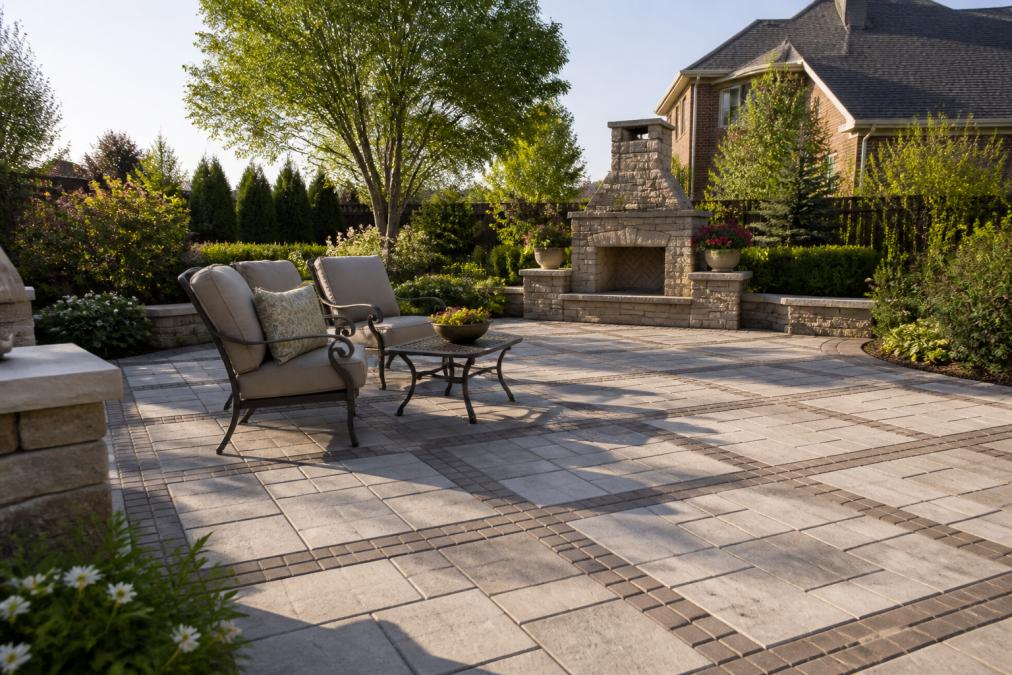
Beyond patios, contractors create functional outdoor living areas. Custom outdoor kitchens integrate grills, refrigeration, and counter space for entertaining. Fire pits and fireplaces add warmth and ambiance. Pergolas and shade structures extend usable outdoor time. Pool decks require specialized installation to ensure proper drainage and slip resistance. These features integrate utilities, gas lines, electrical for lighting and appliances, and drainage systems. Moises Pizana Hardscapes offers comprehensive outdoor living design and installation, handling everything from custom patios to outdoor kitchens and fire features in a single project, which simplifies coordination and ensures the finished space functions as an integrated whole. Walkways and driveways are functional hardscape features that significantly impact curb appeal and connect different areas of your landscape.
Why Local Expertise Matters in the DFW Area
The DFW region presents specific challenges that contractors unfamiliar with the area may underestimate. The soil is predominantly clay-based, which expands when wet and contracts when dry, causing settling, cracking, and shifting in hardscape features if they're not properly engineered. A contractor experienced in DFW conditions knows to over-excavate, add proper base materials, and ensure adequate drainage to counteract clay soil behavior.
Seasonal weather patterns also matter. The region experiences hot, dry summers and occasional freeze-thaw cycles in winter, affecting material selection and installation methods. Local building codes and HOA regulations vary by municipality; some areas require permits for patios above a certain size or for structural features like retaining walls. A local contractor navigates these requirements efficiently, avoiding delays and compliance issues. Water management is particularly important in the DFW area, where intense summer thunderstorms test drainage systems. A contractor who understands local drainage challenges designs systems that handle heavy rainfall without creating problems for your property or neighbors.
How to Choose the Right Hardscape Contractor for Your Project
Start by defining your project clearly: what do you want to build, what's your budget, what timeline works for you, and what specific challenges does your property present? Gather recommendations from neighbors, friends, and online reviews. Check licensing, insurance, and references. Request detailed written estimates from at least two contractors. Meet with them in person, a good contractor asks thoughtful questions about your property, goals, and concerns rather than rushing to provide a quote.
Evaluate their communication style. Do they explain their reasoning clearly? Do they listen to your input? Do they offer suggestions based on expertise while respecting your vision? Consider their experience with projects similar to yours and whether they have the equipment and crew needed. Trust your instincts: if a contractor seems evasive about warranties, timeline, or references, move on. The cheapest quote isn't always the best value; a contractor who delivers quality work on time and stands behind it for years is worth more than one who cuts corners.
Choosing the right hardscape contractor determines whether your outdoor space becomes a long-lasting asset or a source of frustration. The investment in hiring a qualified professional who understands local conditions, communicates clearly, and stands behind their work pays dividends through durability, functionality, and enhanced property value. Moises Pizana Hardscapes brings over 15 years of hands-on experience to every project in the DFW area, with in-house crews and equipment ensuring quality workmanship and efficient timelines. Get a quote today and start planning the outdoor living space you've envisioned.
Frequently Asked Questions
Q: What should I look for when hiring a hardscape contractor?
A: Verify licensing, insurance, and bonding status through your state and local authorities. Check references from completed projects in your area, review portfolios showing similar work, and confirm the contractor understands local soil conditions and permitting requirements. Ask about their crew experience, warranty coverage, and whether they handle all work in-house or subcontract portions. Get detailed written estimates from multiple contractors before deciding.
Q: How much does paver patio installation typically cost?
A: Paver patio costs depend on size, material quality, site preparation complexity, and local labor rates. Pricing varies significantly based on whether the site requires extensive grading, drainage work, or soil remediation. Contact local hardscape contractors directly for quotes on your specific project. Request itemized estimates that break down materials, labor, and site preparation so you understand where your investment goes.
Q: How do I verify a contractor's references and past work?
A: Ask for at least three recent references from similar projects completed in the last two years. Contact those homeowners directly and ask about their experience, quality of work, timeliness, and whether issues arose after completion. Request to see photos of completed hardscape projects, and if possible, visit a finished installation in person. Check online reviews on Angi, Houzz, and the Better Business Bureau, and verify the contractor's licensing status through your state's contractor licensing board.
Q: Do I need a permit for hardscape projects in the DFW area?
A: Permit requirements vary by city and county within the DFW metroplex. Many municipalities require permits for retaining walls over a certain height, significant grading changes, or projects near property lines. Some HOA communities have additional approval requirements. A qualified local contractor familiar with your specific area's regulations can advise whether your project needs permits and handle the application process, ensuring your work meets all local codes and standards.