 ultimate-guide
Hiring Hardscape Contractors: What to Know
Table of Contents
- What Hardscape Contractors Do
- Questions to Ask Hardscape Contractors Before Hiring
- Understanding Retaining Wall Construction Requirements
- Cost of Paver Patio Installation and Budget Planning
- How to Vet and Verify Contractor Experience
- Project Timeline and What to Expect
- Hiring Hardscape Contractors for Your Property
- Frequently Asked Questions
Last Updated: August 31, 2026
What Hardscape Contractors Do
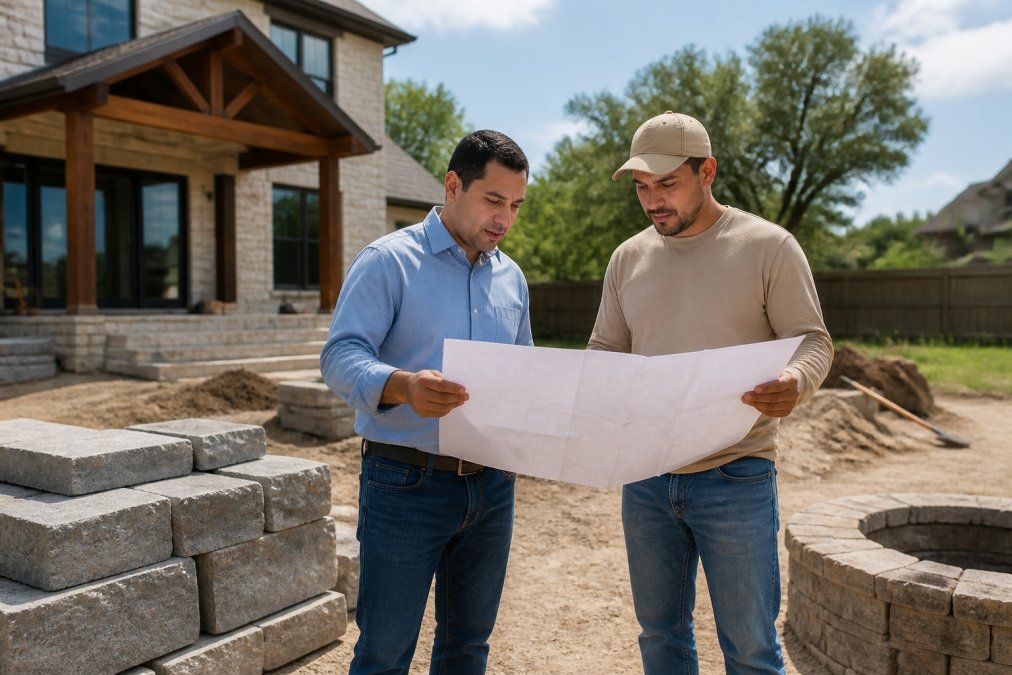
Hardscape contractors specialize in building permanent outdoor structures that enhance both function and aesthetics of residential and commercial properties. Their work ranges from patio installation and retaining wall construction to driveway building, walkway design, and outdoor kitchen installation. Unlike general landscapers who focus on plants and soil, hardscape professionals work with stone, pavers, concrete, and other durable materials to create outdoor living spaces that withstand weather and heavy use.
The scope of hardscape construction services includes site preparation, drainage solutions, material selection, and precision installation. A quality contractor understands load-bearing requirements, proper grading for water management, and aesthetic principles that tie outdoor spaces to existing architecture. When you're hiring hardscape contractors, you're investing in expertise that transforms how your property functions and looks.
At Moises Pizana Hardscapes, we bring more than 15 years of hands-on experience to every project. Rather than subcontracting work, we maintain our own equipment and crew, ensuring consistent quality and direct accountability. This approach means you work with the same professionals from initial design through final installation, not a revolving door of subcontractors.
The difference between amateur and professional hardscape work becomes obvious within months. Poor drainage leads to pooling water. Improperly set pavers shift and crack. Retaining walls fail when constructed without proper engineering. Professional hardscape contractors understand these pitfalls and prevent them through proper technique and material knowledge.
Questions to Ask Hardscape Contractors Before Hiring
Before committing to any hardscape project, you need answers that reveal whether a contractor truly understands their craft. Start by asking how they handle site preparation and drainage. A contractor who glosses over this foundation work is cutting corners. Proper grading prevents water problems that cost thousands to fix later.
Ask about their process for material selection. Different climates and soil conditions demand different solutions. Pavers suitable for one region may fail in another due to freeze-thaw cycles. A knowledgeable contractor explains why they recommend specific materials for your situation, not just what's cheapest.
Request detailed timelines for your specific project type. Vague answers like "a few weeks" signal lack of planning. Professional contractors break down phases: site preparation takes X days, material delivery Y days, installation Z days. They account for weather delays and unexpected conditions. This transparency helps you plan around the work.
Ask whether they handle all work in-house or use subcontractors. There's nothing wrong with subcontracting specialized work, but you should know upfront. Direct employment of crew members means better quality control and accountability. If something goes wrong, you know who to hold responsible.
Inquire about their warranty and what happens if issues arise post-installation. Do they stand behind their work? What constitutes a defect versus normal settling? How long do they guarantee their installations? A contractor confident in their work offers clear, written guarantees.
Ask for references from projects similar to yours completed in your area. Photos on a website are one thing; seeing actual work in your neighborhood proves capability. Call those references and ask specific questions about timeline adherence, cleanliness during work, and how the contractor handled problems.
Understanding Retaining Wall Construction Requirements
Retaining wall construction requirements vary based on height, soil conditions, and water pressure behind the wall. A wall under 4 feet tall may only need basic compaction and proper drainage (iccsafe.org). Walls exceeding 4 feet require engineered designs that account for lateral soil pressure, frost lines, and potential failure modes (iccsafe.org).
The most critical aspect of retaining wall construction is drainage. Water pressure behind a wall causes failure. Professional contractors install drainage systems, either perforated pipes or gravel, behind the wall to direct water away safely. Without this, even well-built walls deteriorate and eventually fail.
Proper compaction of base materials ensures walls don't settle unevenly (astm.org). This requires specific equipment and technique, not just hand-tamping. The base must be level and compacted to proper density specifications. Skipping this step causes walls to shift, crack, and fail prematurely.
Material choice affects both aesthetics and durability. Natural stone offers timeless appeal but requires skilled installation. Segmental retaining wall blocks simplify installation while maintaining professional appearance. Concrete or timber each bring different characteristics. A qualified contractor explains trade-offs and recommends solutions matching your budget and vision.
Height and slope angles matter significantly. Steeper angles require more structural support. Taller walls need deeper footings. These aren't aesthetic choices, they're engineering requirements. Professional contractors understand local building codes and frost line depths that govern wall design in your area.
When considering retaining walls for erosion control or landscape definition, understand that visible height is only part of the structure. The wall extends below ground, requiring excavation and proper foundation work. Budget accordingly and expect professional contractors to explain what you're paying for beyond what's visible after completion.
Cost of Paver Patio Installation and Budget Planning
Paver patio installation costs depend on several variables: patio size, material selection, site preparation needs, and design complexity. The cost of paver patio installation typically reflects the quality of materials chosen and the precision of installation. Budget planning requires understanding what drives these costs so you can make informed decisions.
Site preparation significantly impacts overall expense. If your yard has poor drainage, slopes incorrectly, or contains obstacles requiring removal, preparation costs rise. A contractor who properly grades for water runoff and prepares a solid base prevents expensive repairs later. This upfront investment protects your patio investment.
Material selection drives substantial cost variation. Basic concrete pavers cost less than natural stone or premium porcelain options. Each material offers different durability, aesthetic appeal, and maintenance requirements. A contractor who educates you on material differences helps you choose appropriately for your budget and lifestyle.
Design complexity affects labor costs. Simple rectangular patterns install faster than intricate designs with multiple colors and orientations. Custom layouts, curved edges, or integrated features like fire pits increase installation time and expense. Understanding this trade-off helps you prioritize which design elements matter most.
When budgeting, account for potential surprises. Hidden utilities, unstable soil, or drainage issues discovered during excavation may require adjustments. Professional contractors include contingency estimates acknowledging these possibilities. Unrealistically low quotes often mean the contractor hasn't accounted for real-world complications.
Request itemized quotes breaking down material costs, labor, site preparation, and any specialty work separately. This transparency helps you understand where money goes and identify where you might adjust scope if needed. Comparing quotes requires comparing similar scope, a bargain quote for minimal site prep isn't comparable to one including comprehensive drainage solutions.
How to Vet and Verify Contractor Experience
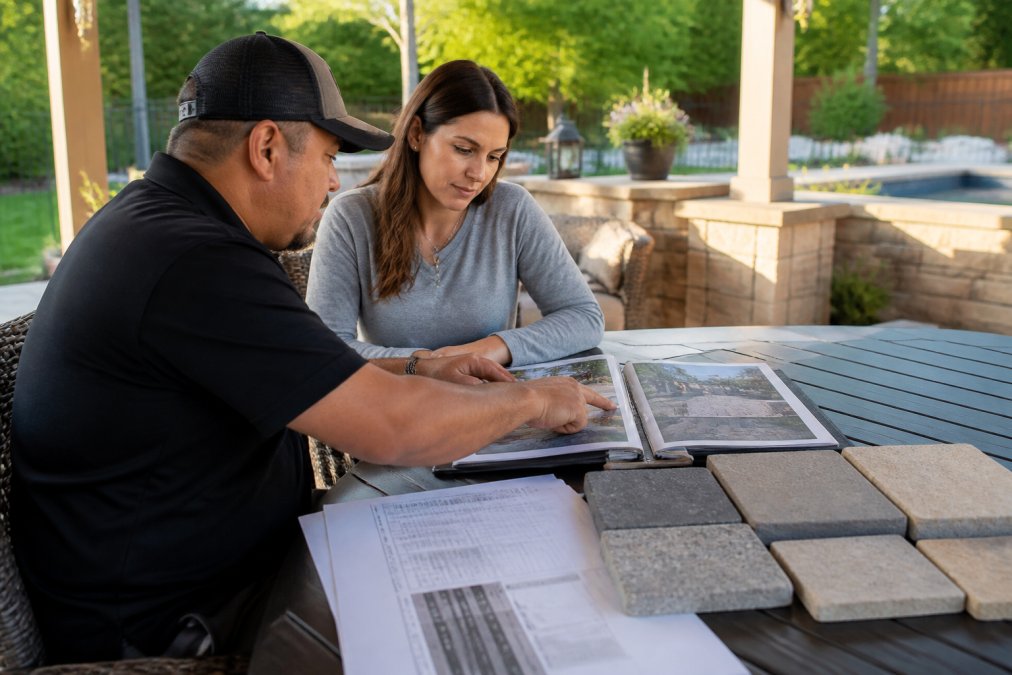
Verifying contractor experience goes beyond checking licenses. Start by requesting a portfolio of completed projects, specifically those similar to your planned work. Photos matter, but seeing actual installations in person reveals quality better than images. Ask if you can visit completed projects and speak with those homeowners about their experience.
Years in business matter, but recent work matters more. A contractor with 15 years experience who's been inactive for 5 years isn't current with modern materials and techniques. Conversely, a newer contractor with recent, quality work may be more reliable than an established name coasting on reputation. Ask about their recent projects and request references from work completed in the last 12-18 months.
Check licensing and insurance thoroughly. Licensing requirements vary by state and region, but legitimate contractors maintain current licenses and can provide proof. Insurance protects you if someone gets injured on your property. Request certificates of insurance and verify they're current. A contractor who hesitates providing this information is a red flag. professional concrete restoration.
Ask about their crew composition. Do they employ permanent staff or hire daily laborers? Do crew members specialize in specific work or do they do everything? A professional operation maintains trained, consistent crews. High turnover suggests either poor management or low pay that affects quality.
Investigate their approach to problem-solving. Ask how they've handled unexpected issues on past projects, discovered utilities, poor soil conditions, or drainage complications. Their answers reveal whether they think creatively and communicate proactively or blame clients for complications. Problem-solving ability separates good contractors from great ones.
Request detailed written proposals for your specific project. Vague proposals without clear scope, timeline, or warranty terms invite disputes. Professional contractors provide comprehensive proposals addressing every aspect of your project. This documentation protects both parties and clarifies expectations.
Check online reviews and ratings, but read beyond star counts. Detailed reviews revealing specific strengths and weaknesses prove more useful than generic praise. Look for patterns, consistent mentions of timeliness, quality, communication, or problems. One negative review means little; multiple similar complaints indicate genuine issues.
Project Timeline and What to Expect
Project timelines vary dramatically based on scope, weather, and site conditions. A simple patio might complete in 2-3 weeks; a comprehensive backyard renovation with retaining walls, drainage work, and multiple features could take 2-3 months. Understanding realistic timelines prevents frustration and helps you plan around the work.
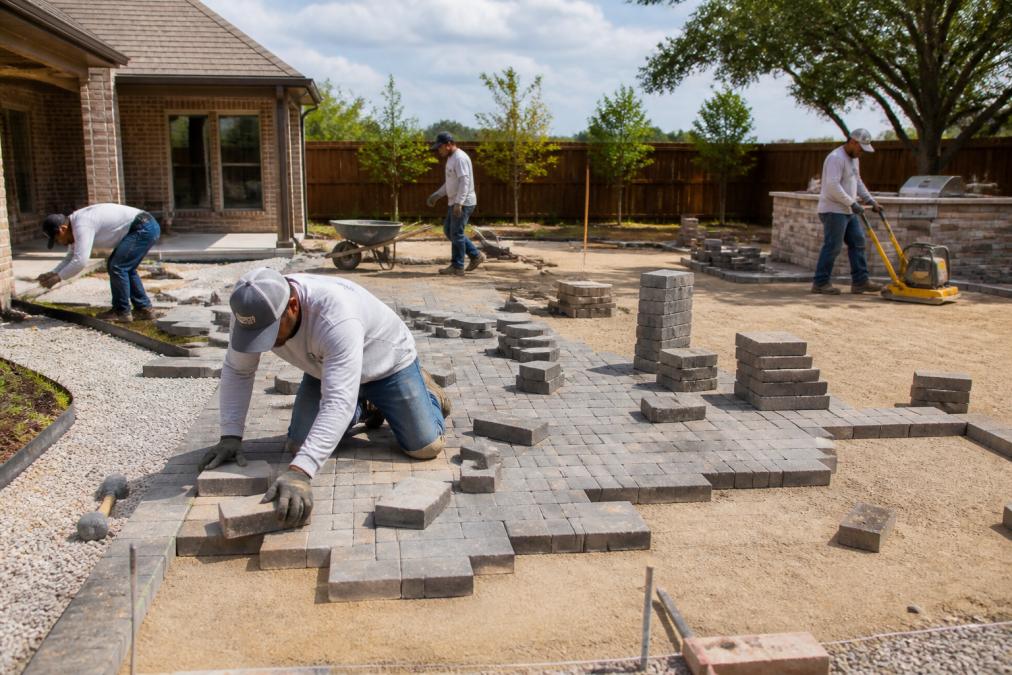
Site preparation typically takes the longest portion of the timeline. Excavation, grading, drainage installation, and base preparation must be completed properly before visible installation begins. This behind-the-scenes work determines whether your patio lasts decades or develops problems within years. Don't expect shortcuts here.
Weather impacts timelines significantly. Rain prevents proper base compaction and can delay work for days. Extreme heat affects material handling and installation quality. Professional contractors build weather contingencies into timelines rather than promising completion regardless of conditions. Unrealistic timelines that ignore weather are warning signs.
Material delivery affects scheduling. Special-order materials take longer than stock items. A contractor who orders materials after signing your contract extends timelines unnecessarily. Quality contractors coordinate material delivery with project phases to maintain momentum.
Installation work itself requires patience. Rushing paver installation leads to improper leveling and early failure. Retaining wall construction can't be hurried without compromising structural integrity. A contractor who prioritizes speed over quality is cutting corners that affect durability.
Expect the contractor's crew on-site during scheduled work phases, not constantly. Crews work other projects between phases of yours. This is normal and allows them to manage multiple jobs efficiently. Clear communication about when crews will arrive prevents frustration.
Cleanup happens gradually during work and completely at project end. Professional contractors remove debris regularly, not just at the end. This maintains safety and cleanliness on your property. Specify cleanup expectations in your contract.
Post-installation settling is normal for newly installed hardscapes. Pavers may shift slightly as base materials settle. Minor adjustments within the first few weeks are expected. Discuss what constitutes normal settling versus defective work with your contractor upfront.
Hiring Hardscape Contractors for Your Property
Hiring hardscape contractors requires balancing multiple factors: experience, reliability, communication, and value. Start by identifying 3-4 qualified contractors based on the vetting criteria discussed above. Request detailed proposals from each, ensuring they address your specific project scope and timeline expectations.
Evaluate proposals not just on price but on comprehensiveness. Does the proposal address drainage? Site preparation? Material specifications? Warranty terms? A thorough proposal demonstrates the contractor understands your project requirements. Suspiciously low quotes often omit critical elements that appear as change orders later.
Communication style matters significantly. How quickly do contractors respond to your questions? Do they explain their recommendations clearly or use jargon without clarification? Do they seem interested in your vision or just eager to close the sale? You'll work closely with this contractor for weeks, communication quality affects the entire experience.
Trust your instincts about the contractor as a person. Do you feel confident in their expertise? Do they listen to your concerns? Do they respect your property and time? These intangibles matter as much as technical qualifications.
When you've selected a contractor, get everything in writing. Your contract should specify scope of work, timeline, payment schedule, material specifications, warranty terms, and how changes are handled. Clear written agreements prevent misunderstandings that damage relationships and lead to disputes.
Establish a payment schedule that protects both parties. Avoid paying the full amount upfront. Typical schedules involve deposits, progress payments, and final payment upon completion. This incentivizes the contractor to finish properly and gives you use if issues arise.
During the project, maintain regular communication. Brief check-ins help catch small problems before they become big ones. Respect the contractor's work schedule and let them work without constant interruption. Professional relationships work best with clear boundaries and mutual respect.
After project completion, document everything with photos. These images prove the work was completed properly and help with insurance claims or warranty disputes. Keep all documentation, warranties, and contact information for future reference.
When you're ready to move forward with hiring hardscape contractors for your property, Moises Pizana Hardscapes brings proven expertise and direct accountability. Our team handles everything from initial design consultation through final installation, ensuring your outdoor living space reflects your vision while built to last. Get A Quote today and discover how quality hardscape construction transforms your property.
Hiring hardscape contractors represents a significant investment in your property's functionality and curb appeal. The right contractor combines technical expertise, reliable communication, and genuine commitment to quality. Moises Pizana Hardscapes has delivered custom outdoor living spaces throughout the area for over 15 years, maintaining our own crew and equipment to ensure consistent, high-quality workmanship. When you're ready to transform your backyard with professional hardscape construction, we're ready to bring your vision to life with integrity and precision.
Frequently Asked Questions
Q: What should I look for when hiring a hardscape contractor?
A: Look for contractors with verifiable experience in your specific project type, whether that's patio installation, retaining walls, or outdoor kitchens. Request references from recent projects in your area, check for proper licensing and insurance, and review their portfolio. Ask about their crew experience and whether they handle design consultation. A reliable contractor will be transparent about timelines, provide detailed written estimates, and stand behind their work with warranty information.
Q: How do I verify a hardscape contractor's experience and workmanship?
A: Request a portfolio of completed projects and ask for references you can contact directly. Visit finished projects if possible to assess quality firsthand. Verify licensing through your state's contractor board and confirm they carry liability insurance and workers' compensation. Ask how long they've been in business and whether they use their own crew or subcontractors. Experience matters, contractors with consistent local work tend to deliver more reliable results.
Q: What questions should I ask before hiring a hardscape professional?
A: Ask about their experience with your specific project, timeline expectations, warranty coverage, and how they handle site preparation and drainage. Clarify whether they provide design services, handle permitting, and manage cleanup. Ask about their crew qualifications and whether they'll be on-site during installation. Get everything in writing, including the scope of work, materials to be used, payment schedule, and what happens if issues arise after completion.
Q: Will hardscape improvements add value to my home?
A: Quality hardscape installations, especially patios, retaining walls, and outdoor living spaces, typically enhance curb appeal and property value. Outdoor living areas are attractive to buyers and can increase usable space perception. The return on investment depends on project quality, material selection, and how well the design complements your home. Professional installation ensures durability and aesthetic appeal that appeal to future buyers. Discuss your goals with your contractor to prioritize features that matter most for your market.