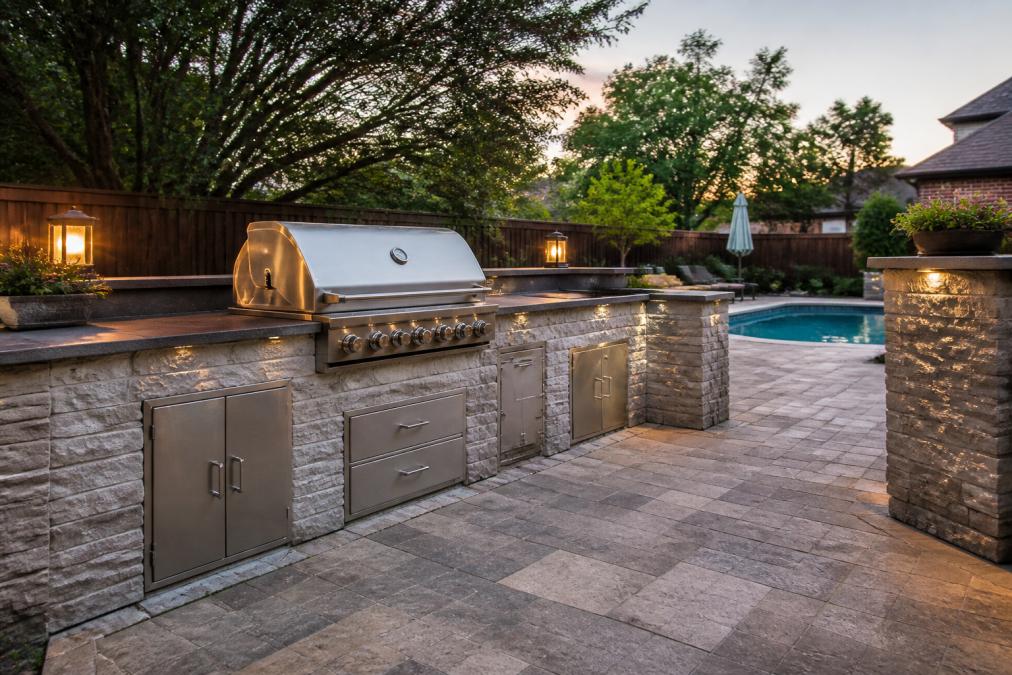
 listicle
Custom Outdoor Kitchen Builders: Dallas Reviews & Guide
Table of Contents
- What to Expect From Custom Outdoor Kitchen Builders
- Best Materials for Outdoor Kitchens in This Climate
- Outdoor Kitchen Cost Estimate and Budget Planning
- Hiring a Hardscape Contractor: What to Ask
- Outdoor Living Space Construction Timeline
- Top Custom Outdoor Kitchen Builders Reviewed
- Pros:
- Cons:
- Pros:
- Cons:
- Pros:
- Cons:
- Pros:
- Cons:
- Pros:
- Cons:
- Common Mistakes to Avoid When Building an Outdoor Kitchen
- Frequently Asked Questions
Last Updated: September 22, 2026
What to Expect From Custom Outdoor Kitchen Builders
Hiring outdoor kitchen builders Dallas means investing in careful planning, skilled craftsmanship, and clear communication. Homeowners often wonder what happens after signing the contract, how the work flows, and how long it takes.
Custom outdoor kitchen projects involve three phases: design and permitting, construction and installation, and final finishing. Your builder must understand local codes, utility connections, hardscape integration, and drainage design to prevent water pooling.
The initial consultation is critical. A quality builder walks your property, asks how you'll use the space, discusses aesthetics, and explains what's realistic within your budget and timeline.
Best Materials for Outdoor Kitchens in This Climate
The Dallas climate presents specific challenges for outdoor kitchen materials. You're dealing with intense summer heat, occasional freeze-thaw cycles in winter, and UV exposure that degrades certain finishes quickly. Your material choices directly impact how long your kitchen lasts and how much maintenance you'll do.
Stone and masonry are the gold standard for outdoor kitchens in this region. Granite offers excellent heat resistance and won't crack from temperature extremes. Travertine has a softer look and stays cooler underfoot but requires periodic sealing.
Stainless steel countertops resist rust and handle thermal stress better than painted alternatives. Avoid bare concrete or unsealed wood, which absorb moisture and degrade quickly.
Permeable pavers allow water to drain through, preventing foundation settling. Sealed pavers resist staining. The base layer of crushed stone and compacted sand must be installed correctly to prevent settling and cracking.
Outdoor Kitchen Cost Estimate and Budget Planning
Outdoor kitchen pricing depends on size, material choices, appliance selection, existing hardscape integration, permitting complexity, and local labor costs.
A basic kitchen with a grill and simple countertop costs significantly less than a full-featured island with multiple appliances and shade structures, often two to three times the starting price.
Budget planning should account for materials (stone, pavers, appliances), labor (excavation, masonry, electrical, gas), and contingency (10-15% for unexpected conditions like poor soil or utility relocations).
Get quotes from multiple builders. A reputable contractor breaks down their estimate by category. Avoid flat prices without site assessment.
| Budget Category | Considerations | Impact on Timeline |
|---|---|---|
| Materials | Stone type, appliance brands, finishing details | 2-4 weeks lead time |
| Labor | Crew size, complexity, site access | 3-8 weeks build time |
| Permitting | Local requirements, inspection scheduling | 1-3 weeks delay |
| Contingency | Soil conditions, utility issues, design changes | Variable |
Hiring a Hardscape Contractor: What to Ask
Selecting the right contractor is more important than any single material choice.
Ask outdoor kitchen builders Dallas about their experience specifically. Kitchen work requires understanding appliance integration, gas and electrical safety, ventilation, and drainage. Ask how many projects they've completed in the last two years and request recent references.
Verify licensing and insurance. Check with your local licensing board and ask for proof of liability insurance and workers' compensation coverage.
Ask about their permitting approach. A builder who handles permitting themselves typically knows local codes well. A builder who leaves it to the homeowner is a red flag.
Pay attention to communication during consultation. Do they listen to your ideas? Explain their reasoning? Answer questions directly? The contractor will be at your property for weeks, so communication matters.
Ask if they use their own employees or subcontractors. Direct employees typically mean higher quality control and more responsibility for the finished product.
Outdoor Living Space Construction Timeline
A realistic timeline for a custom outdoor kitchen typically spans 4-8 weeks, varying by scope and permitting.
Week 1-2: Design and Permitting. Builder creates plans, pulls permits, and schedules inspections.
Week 3-4: Site Preparation and Foundation. Excavation, base prep, and concrete foundations. Weather delays are common.
Week 4-6: Masonry and Structure. Stone work and structural elements. Rushing leads to settling and cracking.
Week 6-7: Appliance Installation and Utilities. Gas lines, electrical, and appliance installation.
Week 7-8: Finishing and Testing. Grout, sealing, and appliance testing before handoff.
Weather delays are the most common timeline disruptor. Rain prevents excavation and concrete work. Winter projects are slower due to temperature concerns.
Ask your builder upfront what their contingency plan is for weather delays. Some builders build buffer time into their estimate. Others charge extra if the project extends beyond a certain timeline. Get this in writing before work starts. ::: Selecting durable materials that withstand these environmental fluctuations often leads homeowners to consider the long-term resilience of weatherproof resin cabinetry.
Top Custom Outdoor Kitchen Builders Reviewed
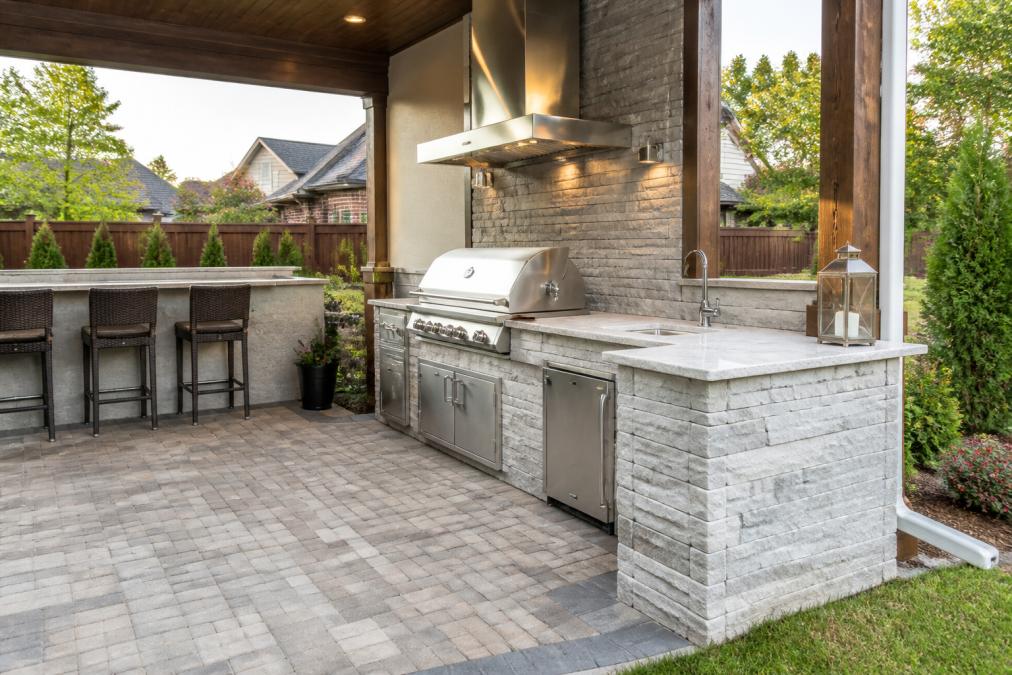
Moises Pizana Hardscapes: Direct Crew, No Subcontractors
Moises Pizana Hardscapes stands out for direct employment rather than subcontracting. With 15+ years of experience, they handle everything in-house. The direct crew model means accountability and clear communication throughout the project.
Their service range covers custom outdoor kitchens, retaining walls, driveways, and pool decks.
Pros:
- Direct crew eliminates subcontracting delays and quality variability
- Extensive local experience with Dallas-Fort Worth building codes and climate challenges
- Comprehensive service range allows integrated design across the entire outdoor space
Cons:
- Requires individual quote
Best For: Homeowners who prioritize quality craftsmanship, clear communication, and accountability over the lowest price.
Texas Best Fence & Patio: BBB A+ Rated Veteran
Texas Best Fence & Patio has been designing custom outdoor kitchens since 2004 and maintains an A+ BBB rating. Their service area covers 40+ local cities, giving them deep familiarity with regional codes.
Pros:
Cons:
Best For: Homeowners seeking an established contractor with proven track record and third-party credibility verification.
Allied Outdoor Solutions: Masonry-First Approach
Allied Outdoor Solutions specializes in high-quality masonry and custom kitchen installations.
Pros:
Cons:
Best For: Homeowners prioritizing long-term durability and willing to invest in quality masonry work.
Dallas Outdoor Kitchens: Specialized Kitchen Focus
Dallas Outdoor Kitchens specializes exclusively in outdoor kitchen construction.
Pros:
Cons:
Best For: Homeowners who want a contractor laser-focused on kitchen quality and communication.
Texas Custom Patios: Structural Engineering Expertise
Texas Custom Patios brings structural engineering expertise, particularly valuable for integrating roofs or pergolas with kitchens.
Pros:
Cons:
Best For: Homeowners planning covered patios or complex structural integration with their outdoor kitchen.
Mauricio's Stonecraft: Premium Stone Masonry
Mauricio's Stonecraft focuses on custom stone masonry for outdoor kitchens.
Pros:
Cons:
Best For: Homeowners prioritizing aesthetic excellence and willing to invest in premium stone masonry work.
Common Mistakes to Avoid When Building an Outdoor Kitchen
Poor drainage design is the most common and costly mistake. Water pooling around the foundation causes settling and cracking. Proper grading (sloping 1-2% away from the kitchen), permeable pavers, and a well-designed drainage layer prevent water accumulation.
Undersizing the work surface is another frequent error. Plan for at least 8-10 feet of usable counter space if you entertain regularly; a 6-foot counter feels cramped during actual use.
Skipping the permit process is tempting but risky. Unpermitted work can create liability issues, complicate future home sales, and result in fines if discovered during a property inspection. Permits exist to ensure the work meets building codes for safety and structural integrity. A reputable builder handles permitting as part of their service.
Choosing appliances before finalizing the design creates integration problems. Appliance dimensions and utility requirements should drive the kitchen layout, not the other way around.
Frequently Asked Questions
How much does it cost to build a custom outdoor kitchen?
Pricing for custom outdoor kitchens depends on size, materials, appliance selections, hardscape integration, and site conditions. Basic kitchens with standard materials start lower, while high-end designs with premium stone veneer and multiple appliances cost significantly more. Contact builders directly for project-specific quotes. Most contractors offer free estimates after assessing your space and design goals.
What are the most durable materials for outdoor kitchens in this climate?
Stainless steel appliances resist rust and temperature swings. Stone veneer and natural stone countertops withstand weather without deteriorating. Concrete with proper sealing handles freeze-thaw cycles. Composite materials offer durability with low maintenance. The best choice depends on your budget and aesthetic preference. Ask your contractor which materials they recommend based on local weather patterns and their experience.
How long does the outdoor living space construction timeline typically take?
Most custom outdoor kitchen projects take 4 to 12 weeks from design approval to completion, depending on scope, material availability, and weather delays. Simple patio additions finish faster. Complex builds involving gas line installation, electrical rough-in, and custom masonry take longer. Your contractor should provide a detailed timeline during the planning phase and communicate any delays early.
What should I look for when hiring a hardscape contractor?
Verify they have local experience and can show completed projects in your area. Check BBB ratings, third-party reviews, and references from past clients. Ask if they handle all work in-house or subcontract portions. Confirm they pull permits and carry liability insurance. Request a written contract with clear timelines, costs, and warranty terms. Strong communication and professionalism during the quote phase signal reliability.
Is an outdoor kitchen a good investment for my property?
Outdoor kitchens increase property value and appeal to buyers seeking outdoor entertainment spaces. They enhance daily lifestyle by extending living space outdoors. Return on investment varies by market and quality of construction. A well-built kitchen with durable materials and proper drainage typically adds value. Discuss potential ROI with your contractor and real estate professional before committing to the project.