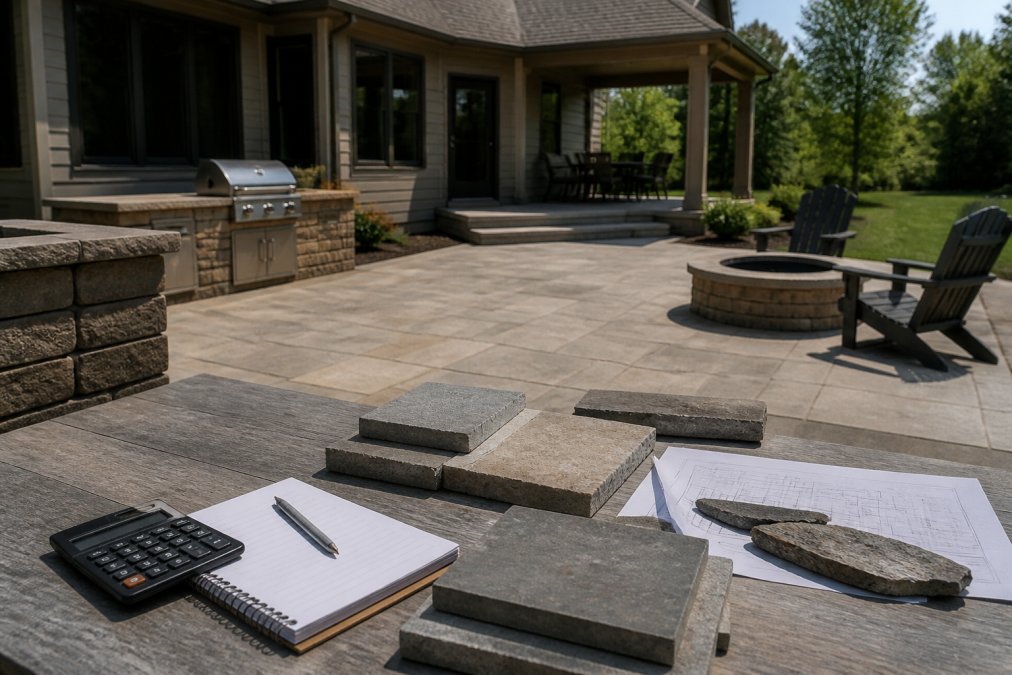
 ultimate-guide
Cost of Custom Patio Installation 2026
Table of Contents
- Understanding Custom Patio Installation Cost
- Paver Patio Installation Cost Per Square Foot
- Factors Affecting Hardscape Project Pricing
- Patio Installation Timeline and Process
- Material Comparison and Cost Impact
- ROI and Property Value Impact
- Getting an Accurate Quote for Your Project
- Frequently Asked Questions
Last Updated: September 1, 2026
Understanding Custom Patio Installation Cost
The cost of custom patio installation 2026 varies dramatically based on material choice, site conditions, and design complexity. No two projects are identical, a simple concrete slab in a flat, accessible yard costs far less than a multi-level stone installation on a sloped lot with drainage challenges.
At Moises Pizana Hardscapes, we don't subcontract the work; our crew handles everything with over 15 years of experience in hardscape design and installation. This means we can speak directly to what drives costs and where homeowners often miscalculate their budgets.
Paver Patio Installation Cost Per Square Foot
The cost of custom patio installation 2026 is often quoted on a per-square-foot basis, but this number alone tells you almost nothing without context. A paver patio installation cost per square foot depends entirely on the material selected and the complexity of the installation.
Material Cost Breakdown
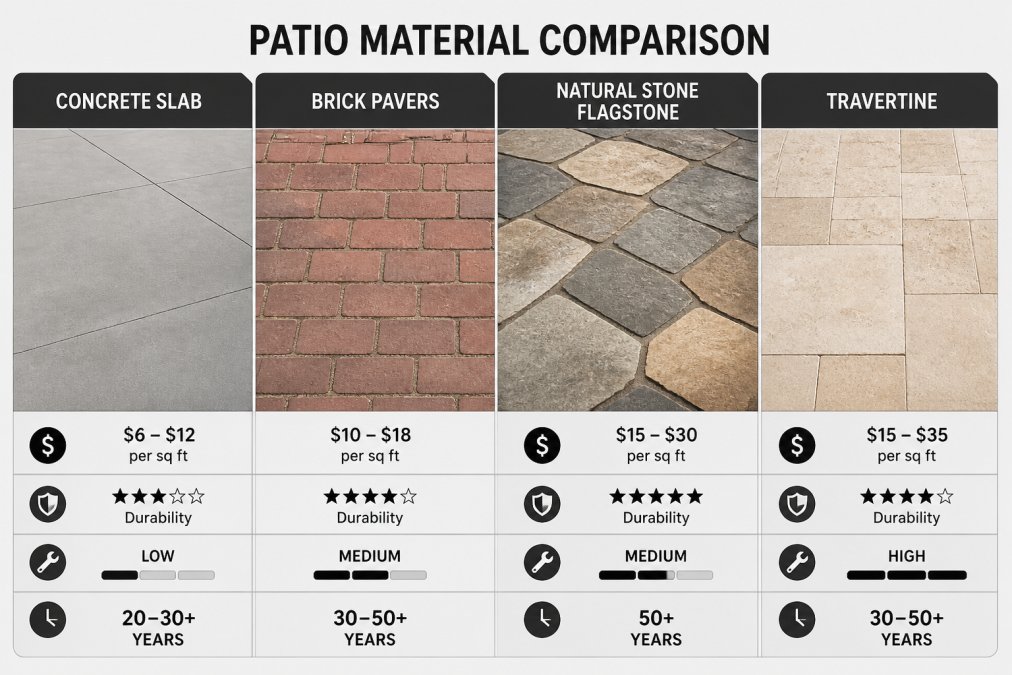
Material costs represent the most visible portion of your hardscape project pricing. Concrete slab is the most affordable option, while natural stone commands premium pricing. Brick pavers fall somewhere in the middle, offering good durability and aesthetic appeal without the highest price tag.
Delivery costs vary by location and material weight. Natural stone, being heavier, costs more to transport than lightweight pavers. Site accessibility matters too; if a truck can't reach your backyard easily, expect additional labor charges for hand-carrying materials.
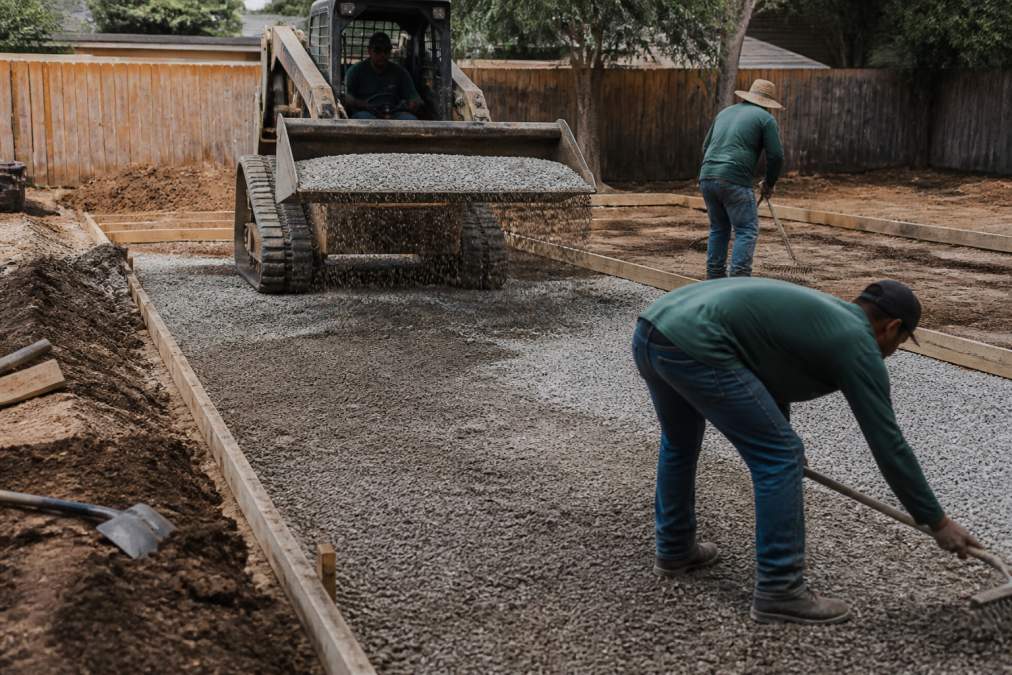
Base materials, aggregate, sand, and soil preparation layers beneath your finished surface, are often overlooked but represent real costs. A proper sub-base preparation prevents settling and cracking, which is why experienced contractors never cut corners here.
Labor vs. Material Cost
The labor vs. material cost breakdown typically runs 40-60% labor and 40-60% material, though this varies by project type (peer-reviewed research). Simpler concrete installations skew toward material costs; complex stone work skews heavily toward labor because skilled installation takes time.
Excavation and site preparation often surprise homeowners. If your yard slopes significantly or has poor drainage, the excavation phase can represent 15-25% of your total project cost (peer-reviewed research). Grading the site properly is non-negotiable for long-term performance.
Installation timeline directly affects labor costs. A project that takes two weeks costs more in labor than one that takes three days, but rushing the work often leads to quality issues. Experienced crews balance speed with precision.
Factors Affecting Hardscape Project Pricing
Understanding what drives costs helps you make smarter decisions about where to invest and where you might find efficiencies.
Site Conditions and Preparation
Your existing yard conditions have enormous impact on project cost. A flat, compacted yard with good drainage is ideal and minimizes excavation and preparation work. A sloped yard, soft soil, or poor drainage requires extensive grading and potentially a stronger sub-base system to prevent future settling.
Existing structures also matter. If you're building around mature trees, near your home's foundation, or close to utilities, the work becomes more precise and time-consuming. Soil type affects preparation costs significantly; clay-heavy soil, common in parts of the DFW area, requires different preparation than sandy or loamy soil and doesn't drain well.
Design Complexity and Custom Features
A simple rectangular patio costs far less than one with curved edges, multiple levels, or integrated features like built-in seating or fire pit areas. Custom paver patterns, herringbone, circular designs, or intricate mosaics, take significantly longer to install than simple running-bond patterns, easily adding 20-30% to your project cost (peer-reviewed research).
Integrated drainage solutions, permeable paving options, or special finishes like sealing or stamping all add cost but often provide long-term benefits. A sealed patio resists staining and lasts longer, which can justify the additional upfront investment.
Material Selection and Durability
Material choice is perhaps the most visible cost driver. Concrete is affordable but may crack in freeze-thaw cycles or develop stains. Brick pavers offer better durability and aesthetic appeal at moderate cost. Natural stone, flagstone, travertine, bluestone, provides premium appearance and excellent durability but commands the highest price.
Consider long-term maintenance costs when evaluating material choice. A cheaper material that requires frequent sealing or repair becomes expensive over time. A pricier material that lasts 20+ years with minimal maintenance may be more economical over its lifecycle.
Regional availability affects pricing too. Materials common in your area cost less than specialty items requiring special ordering. Working with local contractors provides an advantage; they know which materials work best in our climate and which suppliers offer the best value.
Patio Installation Timeline and Process
Understanding the project timeline helps you plan your budget and expectations.
Project Phases and Duration
A typical patio project moves through distinct phases: site preparation and excavation, base preparation and compaction, material installation, finishing work, and cleanup. Simple concrete patios might take 3-5 days from start to finish. Paver installations typically take 1-2 weeks depending on size and pattern complexity. Large custom projects can take 3-4 weeks or longer. Weather impacts timeline significantly; rain delays work, and extreme heat can affect concrete curing.
The patio installation timeline matters to your budget because longer projects require more labor hours. However, rushing a project to save time often leads to poor results. Proper curing time for concrete, careful compaction of base layers, and precise installation cannot be hurried without consequences. pool deck repair costs.
Permitting and Site Preparation Fees
Most jurisdictions require permits for patio construction, particularly if the project involves drainage modifications or retaining walls. Permit costs vary but typically range from a few hundred dollars for simple projects to several thousand for complex work.
Site preparation fees cover clearing vegetation, removing old patio material if you're replacing an existing structure, and grading the site. If your yard has significant debris or soil removal requirements, these costs add up quickly. Utility location is critical before any excavation begins; call your local utility locating service to mark buried lines.
Material Comparison and Cost Impact
Different materials deliver different value propositions. Understanding the trade-offs helps you choose material that matches your budget and priorities.
Concrete vs. Pavers vs. Natural Stone
Concrete is the most affordable option and works well for simple designs. It's durable in most climates but can crack in freeze-thaw cycles and stain easily. Stamped or stained concrete improves appearance but adds cost.
Brick pavers offer moderate pricing with excellent durability and timeless aesthetic appeal. They're modular, so individual pavers can be replaced if damaged. Installation is more labor-intensive than concrete, which is why paver patios cost more.
Natural stone delivers premium appearance and excellent durability. Stone is more expensive than pavers or concrete but often lasts 25+ years with minimal maintenance. The cost reflects not just material expense but the skilled labor required for precise installation.
Long-Term Maintenance Costs by Material Type
Concrete requires periodic sealing every 2-3 years and may develop cracks requiring repair. Brick pavers require occasional joint sand replacement and weeding between pavers; sealing is optional but recommended. Natural stone requires professional sealing initially and every 3-5 years thereafter.
When evaluating material choice, factor in 20-year maintenance costs alongside initial installation cost. A material that costs 10% more upfront but requires 30% less maintenance over time is the smarter investment.
ROI and Property Value Impact
A well-designed, professionally installed patio enhances curb appeal and creates functional outdoor living space that today's buyers value highly. Real estate professionals recognize that outdoor living areas have become essential features in the DFW market.
The ROI on hardscape work typically ranges from 50-100% of the project cost, meaning you recover a significant portion of your investment if you sell within 5-10 years. This varies by neighborhood, property type, and how well the patio integrates with your home's overall design.
Beyond resale value, a quality patio dramatically improves your quality of life while you own the home. You gain usable outdoor space for entertaining, relaxing, and recreation. When both factors align, enjoying the space and enhancing your home's market appeal, the decision becomes clear.
Getting an Accurate Quote for Your Project
The only way to know the true cost of custom patio installation 2026 for your specific project is to get detailed quotes from experienced contractors. When requesting quotes, provide clear information: site dimensions, existing conditions, material preferences, design sketches, and your timeline.
Ask each contractor to break down their quote into categories: site preparation, materials, labor, permits, and additional fees. This breakdown lets you compare quotes apples-to-apples and understand where costs differ.
Red flags include vague pricing, refusal to provide detailed breakdowns, pressure to decide immediately, or quotes significantly lower than others. Ask for references and examples of previous work in your area. Moises Pizana Hardscapes has completed hundreds of custom patios, driveways, retaining walls, and outdoor living spaces across the DFW region.
When you're ready to move forward, a professional contractor should provide a written contract specifying scope of work, timeline, payment schedule, warranty information, and what happens if conditions change during the project.
The cost of custom patio installation 2026 is an investment in your home's functionality, aesthetic appeal, and market value. Understanding what drives pricing, material choice, site conditions, design complexity, and labor requirements, helps you make informed decisions. Moises Pizana Hardscapes brings over 15 years of hardscape experience and a commitment to quality workmanship without subcontracting. Ready to transform your outdoor space? Get a detailed quote from Moises Pizana Hardscapes and let our team show you exactly what your custom patio project will entail.
===
[1] Q: How much does a 20x20 custom patio cost to install? A: A 20x20 patio (400 square feet) cost depends on material choice, site conditions, and design complexity. Concrete costs less than brick pavers, which cost less than natural stone. Site preparation, drainage requirements, and labor rates vary by project scope. Request a quote from a local hardscape contractor to get an accurate estimate for your specific property and design.
[2] Q: What's the typical patio installation timeline and process? A: Most custom patio projects take 2-4 weeks from start to finish. The process includes site assessment, permitting, excavation and grading, sub-base preparation with base aggregate, paver or concrete installation, joint sand application, sealing (if needed), and final cleanup. Weather, site accessibility, and project complexity can extend the timeline. Complex designs with outdoor kitchens or retaining walls take longer.
[3] Q: Is concrete or pavers more cost-effective for a custom patio? A: Concrete typically costs less upfront than brick pavers or natural stone. However, stamped concrete and decorative finishes increase the price. Pavers offer better long-term durability and easier repairs but require higher initial investment. Consider maintenance costs: concrete may need sealing and crack repair, while pavers require joint sand maintenance. Your choice depends on budget, aesthetic preference, and how long you plan to keep the property.
[4] Q: What factors affect hardscape project pricing the most? A: Key cost drivers include material type (concrete, pavers, flagstone, travertine), project scope and custom design features, site conditions requiring extra excavation or grading, drainage requirements, labor rates, permitting fees, and project accessibility. Complex designs with outdoor kitchens, fire pits, or retaining walls increase costs. Site preparation for erosion control or uneven terrain also adds to the total price.
[5] Q: Will a custom patio add value to my home? A: Yes, hardscaping improves curb appeal and increases resale value. Custom patios create functional outdoor living spaces that appeal to buyers. Quality installations with proper drainage and durable materials provide strong ROI. Properties with well-designed outdoor spaces typically see better buyer interest and can command higher prices. The exact return depends on material quality, design, and local real estate market conditions.
[6] Q: What should be included in a professional patio installation quote? A: A complete quote should include material costs, labor rates, site preparation and excavation fees, permitting and design fees, drainage solutions, sub-base preparation, installation timeline, warranty details, and maintenance recommendations. Ask whether the contractor handles the full project in-house without subcontracting. Clarify what happens if issues arise after completion and whether sealing or post-installation maintenance is included.
Frequently Asked Questions
Q: How much does a 20x20 custom patio cost to install?
A: A 20x20 patio (400 square feet) cost depends on material choice, site conditions, and design complexity. Concrete costs less than brick pavers, which cost less than natural stone. Site preparation, drainage requirements, and labor rates vary by project scope. Request a quote from a local hardscape contractor to get an accurate estimate for your specific property and design.
Q: What's the typical patio installation timeline and process?
A: Most custom patio projects take 2-4 weeks from start to finish. The process includes site assessment, permitting, excavation and grading, sub-base preparation with base aggregate, paver or concrete installation, joint sand application, sealing (if needed), and final cleanup. Weather, site accessibility, and project complexity can extend the timeline. Complex designs with outdoor kitchens or retaining walls take longer.
Q: Is concrete or pavers more cost-effective for a custom patio?
A: Concrete typically costs less upfront than brick pavers or natural stone. However, stamped concrete and decorative finishes increase the price. Pavers offer better long-term durability and easier repairs but require higher initial investment. Consider maintenance costs: concrete may need sealing and crack repair, while pavers require joint sand maintenance. Your choice depends on budget, aesthetic preference, and how long you plan to keep the property.
Q: What factors affect hardscape project pricing the most?
A: Key cost drivers include material type (concrete, pavers, flagstone, travertine), project scope and custom design features, site conditions requiring extra excavation or grading, drainage requirements, labor rates, permitting fees, and project accessibility. Complex designs with outdoor kitchens, fire pits, or retaining walls increase costs. Site preparation for erosion control or uneven terrain also adds to the total price.
Q: Will a custom patio add value to my home?
A: Yes, hardscaping improves curb appeal and increases resale value. Custom patios create functional outdoor living spaces that appeal to buyers. Quality installations with proper drainage and durable materials provide strong ROI. Properties with well-designed outdoor spaces typically see better buyer interest and can command higher prices. The exact return depends on material quality, design, and local real estate market conditions.
Q: What should be included in a professional patio installation quote?
A: A complete quote should include material costs, labor rates, site preparation and excavation fees, permitting and design fees, drainage solutions, sub-base preparation, installation timeline, warranty details, and maintenance recommendations. Ask whether the contractor handles the full project in-house without subcontracting. Clarify what happens if issues arise after completion and whether sealing or post-installation maintenance is included.