 listicle
Best Retaining Wall Materials for DFW
Table of Contents
- Best Retaining Wall Materials for DFW
- Retaining Wall Materials Comparison Table
- Concrete Segmental Blocks: Speed and Durability
- Natural Stone: Aesthetic Appeal and Long-Term Value
- Retaining Wall Drainage Solutions and Installation
- Retaining Wall Footing Requirements for Stability
- Cost of Retaining Wall Materials and Budget Planning
- Choosing the Right Material for Your Soil Type
- Frequently Asked Questions
Last Updated: August 30, 2026
Best Retaining Wall Materials for DFW
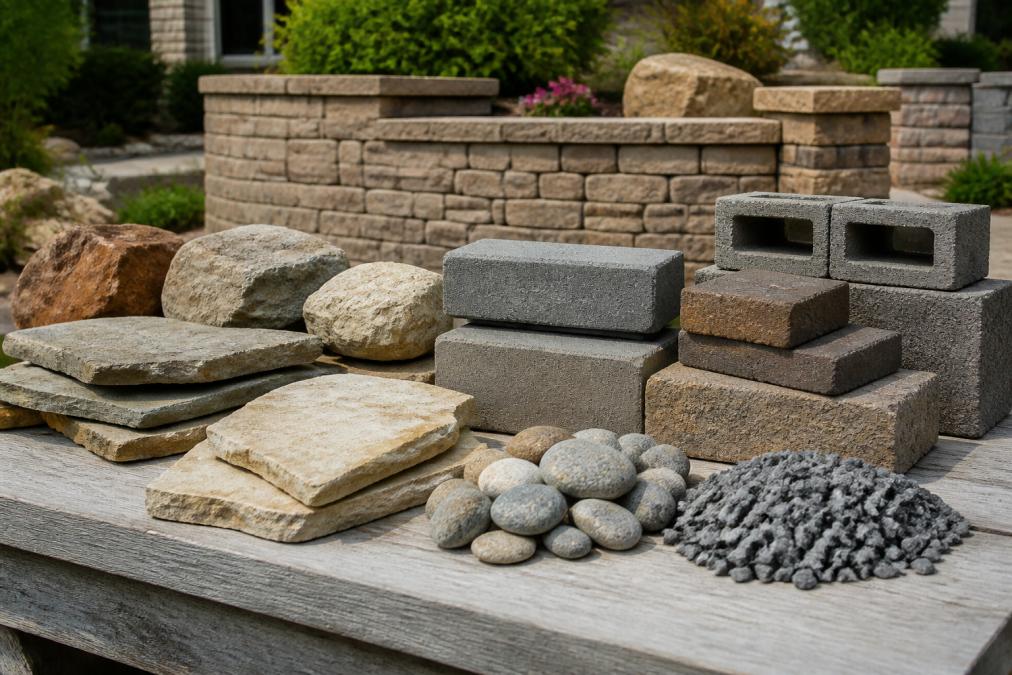
Retaining walls in the Dallas-Fort Worth area face unique challenges from expansive clay soils that shift seasonally, creating hydrostatic pressure that pushes against walls with tremendous force. Poor drainage leads to wall failure, settlement, and costly repairs. Moises Pizana Hardscapes specializes in the construction of retaining walls across the DFW Metroplex, and material selection is a significant factor determining whether a wall lasts. This guide breaks down retaining wall materials, comparing concrete segmental blocks, natural stone, poured concrete, and specialty systems to show you how soil type, drainage requirements, and budget shape which material makes sense for your property.
Retaining Wall Materials Comparison Table
| Material | Cost Range | Best For | Durability | Drainage |
|---|---|---|---|---|
| Concrete Segmental Blocks | $12-$18/sq. ft. | Commercial projects, large walls | 50+ years | Excellent with proper design |
| Natural Stone (Lueders/Oklahoma Brown) | $25-$40+/sq. ft. | Aesthetic appeal, upscale homes | 75+ years | Good if properly installed |
| Poured Concrete | $100-$180/LF | Maximum structural support | 50+ years | Requires reinforcement |
| Versa-Lok Standard | $10-$15/sq. ft. | Residential, clay soil walls | 50+ years | Excellent with pins |
| Allan Block | $12-$16/sq. ft. | Clay soil drainage relief | 40+ years | Superior hollow-core design |
| Timber (Pressure-Treated) | Budget option | Temporary, garden beds | 10-15 years | Poor in wet clay |
| Gabion Walls | Low cost | Erosion control, flexible sites | 30+ years | Excellent permeability |
Concrete Segmental Blocks: Speed and Durability
Concrete segmental blocks dominate the commercial retaining wall market in DFW because they're engineered, predictable, and fast to install. These hollow-core or solid blocks stack with rear-lip locators that align each course, reducing labor time on large projects. When properly designed with geogrid reinforcement and adequate base material, segmental block walls handle the lateral pressure that expansive clay soils generate. Installation speed translates directly to lower labor costs, with crews placing hundreds of square feet per day.
Belgard Diamond Pro for Commercial Applications
Belgard Diamond Pro blocks are engineered specifically for load-bearing applications and come in multiple textures to match design aesthetics. The rear-lip design speeds installation and ensures consistent alignment. These blocks excel at accepting geogrid reinforcement, essential for walls taller than 4 feet in clay soil. Material costs run between $14-$18 per square foot, making them competitive with other segmental systems.
Keystone Compac for Large-Scale Projects
Keystone Compac uses high-strength fiberglass pins instead of gravity-lock designs, allowing each block to rotate slightly for curves and corners without sacrificing structural integrity. The open-core design reduces weight while the pins provide exceptional shear strength, critical for resisting lateral sliding forces. This system excels for large-scale infrastructure projects where engineered wall heights exceed 40 feet. Material costs fall in the $12-$16 per square foot range.
Versa-Lok Standard for Residential Clay Soil
Versa-Lok Standard blocks are solid, non-hollow units weighing 82 pounds each. The solid construction prevents water infiltration through the block itself, a real advantage in DFW's wet clay environment. Each block uses fiberglass or nylon pins for shear strength, making them exceptionally resistant to lateral sliding forces. For residential projects in clay-dominant areas, Versa-Lok Standard offers a balance of strength and versatility. Pricing runs $10-$15 per square foot.
Allan Block for Drainage Relief
Allan Block's hollow-core design addresses DFW's primary retaining wall challenge: water management. The hollow cores accept gravel backfill, creating a drainage layer that relieves hydrostatic pressure before it builds up against the wall face. The battered installation counteracts soil push naturally, and the interlocking design distributes lateral pressure across multiple blocks. Material costs range $12-$16 per square foot.
Natural Stone: Aesthetic Appeal and Long-Term Value
Natural stone retaining walls command attention in upscale DFW neighborhoods. Materials like Lueders Buff and Oklahoma Brown stone create timeless aesthetic appeal that concrete blocks can't match. Properly installed natural stone lasts 75+ years, justifying the higher upfront cost for homeowners planning long-term ownership or preparing properties for sale.
Natural stone requires skilled labor for proper installation. Dry-stacked stone without reinforcement fails quickly in DFW's clay environment as expansive soil movement shifts individual stones. Professional installation using proper base material, compaction, and sometimes pinning or geogrid reinforcement is essential. Material costs run $25-$40+ per square foot, with installation adding significant labor expense.
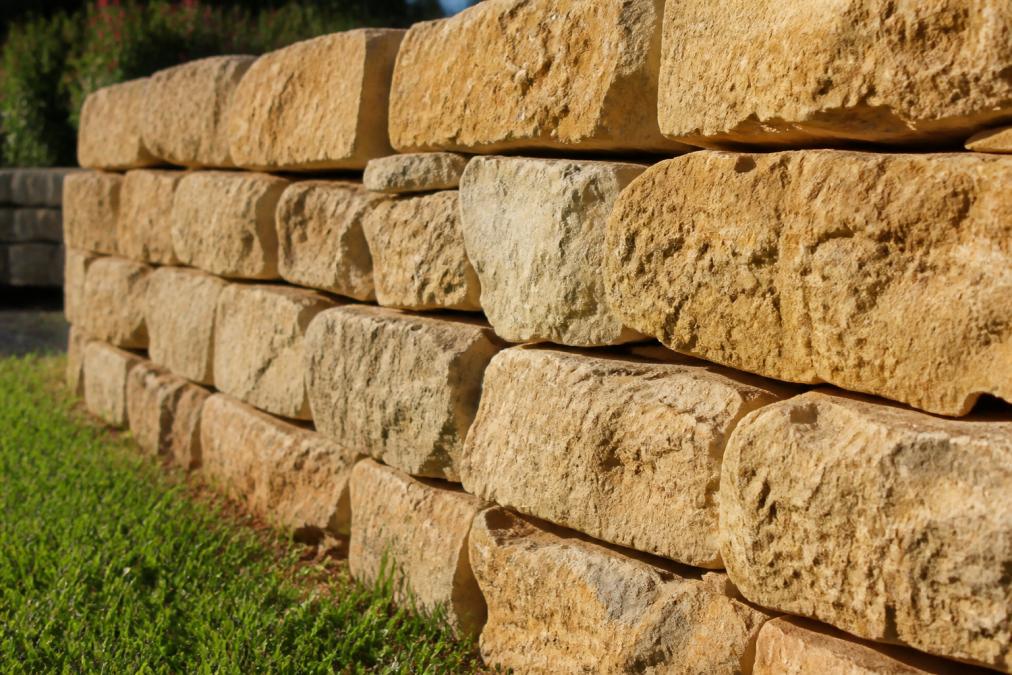
Natural stone walls installed without proper drainage and foundation work can fail in DFW's clay environment despite the material's durability. Stone demands respect for base preparation, compaction of crushed limestone road base, and adequate weep holes for water relief. When installed correctly, natural stone becomes a landscape feature that increases property value and withstands decades of DFW weather cycles. sloped backyard design.
Retaining Wall Drainage Solutions and Installation
Drainage separates walls that last from walls that fail in DFW's clay-heavy environment. Expansive clay retains moisture, expanding in wet seasons and contracting in dry seasons, creating hydrostatic pressure that pushes against retaining walls (usgs.gov). Without drainage relief, even well-built walls crack, settle, or fail.
The proper drainage system includes crushed limestone road base as the foundation layer (compacted to 95% density), filter fabric to prevent soil from washing into gravel, perforated drain pipe at the base running to daylight or a drainage outlet, and gravel backfill behind the wall. Weep holes, small openings in the wall face, allow trapped water to escape rather than building pressure.
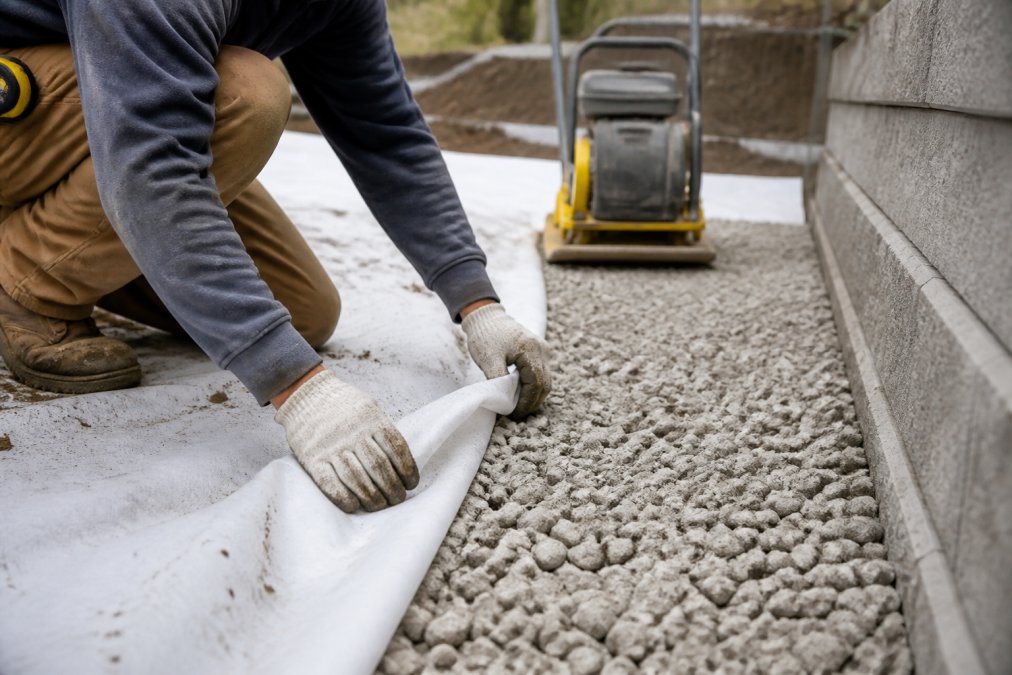
Geogrid reinforcement, plastic strips embedded horizontally between block courses, adds tensile strength that resists lateral soil pressure. For walls taller than 4 feet in clay soil, geogrid becomes essential. Professional installation ensures proper compaction, adequate drainage pipe, and correct geogrid placement, this is where experience matters.
Retaining Wall Footing Requirements for Stability
The foundation determines whether your retaining wall stands for decades or fails within years. The footing must sit below the frost line (typically 12-18 inches in DFW), rest on undisturbed or properly compacted soil, and distribute the wall's weight and lateral pressure evenly (usda.gov). Frost heave, the upward pressure created when soil freezes and expands, can lift and destabilize shallow footings.
The base must achieve proper compaction: typically 95% density of the native soil or engineered fill material (astm.org). Loose, uncompacted soil settles over time, causing the wall to shift and crack. In DFW's expansive clay, a geotechnical report reveals the actual load-bearing capacity at your site, guiding footing design and whether special reinforcement is required. For walls taller than 4-5 feet or in areas with poor drainage history, a professional geotechnical assessment is worth the investment.
Cost of Retaining Wall Materials and Budget Planning
Retaining wall costs vary dramatically based on material choice, wall height, linear footage, site access, and drainage complexity. Concrete segmental blocks offer value for large projects where installation speed reduces labor hours. Natural stone delivers unmatched aesthetic appeal but commands premium pricing. Timber is often a cheaper upfront option but delivers a shorter lifespan in DFW's wet clay environment.
A typical residential retaining wall project in DFW, 50 linear feet, 4 feet tall, with proper drainage and base preparation, costs significantly more than material alone suggests. Site grading, excavation, base material delivery and compaction, drainage pipe installation, and proper backfill all add up. Budget planning should account for long-term value, not just upfront cost.
Choosing the Right Material for Your Soil Type
DFW's soil varies across the region, but clay dominates most areas. Expansive clay swells when wet, shrinks when dry, and exerts lateral pressure that pushes against retaining walls. Material selection must account for this soil behavior.
For clay-heavy soil, pinned systems (Versa-Lok, Keystone Compac) or drainage-focused designs (Allan Block) can be effective. The pins provide shear strength that resists lateral sliding, while drainage relief prevents pressure buildup. Natural stone works beautifully in clay soil if installed with proper foundation work and drainage, but it demands professional installation.
Soil testing reveals the actual conditions at your site. A geotechnical report specifies the soil's load-bearing capacity, expansion potential, and permeability, guiding material selection and footing design. If your property drains poorly and water pools after rain, Allan Block's hollow-core design and drainage relief can be a logical choice. For commercial applications where speed and engineered reliability matter, concrete segmental blocks with geogrid reinforcement provide a proven solution.
Retaining wall failure in DFW typically stems from poor drainage, inadequate base preparation, or material selection that doesn't match local soil conditions. The right material, installed with proper foundation work and drainage solutions, transforms a retaining wall from a liability into an asset that enhances your property for decades. Moises Pizana Hardscapes specializes in selecting and installing retaining wall materials for DFW's unique clay soil environment. Our team has more than 15 years of experience to deliver high quality of workmanship. Get a quote today and let us design a retaining wall that handles DFW's toughest conditions.
Frequently Asked Questions
Q: What is the best retaining wall material for DFW clay soil?
A: Concrete segmental blocks like Versa-Lok Standard and Allan Block are engineered for expansive clay soils common in the region. Their pinned systems and hollow-core designs manage hydrostatic pressure and allow drainage relief. Natural stone offers aesthetic appeal but requires professional installation. The best choice depends on wall height, budget, and whether drainage is your primary concern. Soil testing helps determine the right material for your specific site conditions.
Q:
A:
Q: Does a 2-foot retaining wall need a footing?
A: Yes. Even short retaining walls require proper footing to prevent settlement and failure. A compacted crushed limestone or road base foundation, typically 4-6 inches deep, distributes load and resists frost heave. Proper footing also helps manage hydrostatic pressure from clay soil expansion. Professional installation ensures the base material meets load-bearing capacity requirements for your specific soil type and wall height.
Q: What are the main drainage requirements for retaining walls in this region?
A: Weep holes placed 4-6 feet apart allow water to escape behind the wall. Filter fabric prevents soil migration into drainage zones. Crushed limestone or gravel backfill behind the wall channels water toward weep holes. In clay-heavy soil, drainage relief is critical because water-saturated clay expands and creates dangerous hydrostatic pressure. Proper drainage extends wall lifespan and prevents structural failure from moisture retention.
Q: How much does retaining wall material cost compared to installation?
A: Material costs vary widely: concrete blocks range from $10-18 per square foot, natural stone from $25-40+ per square foot, and poured concrete from $100-180 per linear foot installed. Labor typically represents 40-60% of total project cost. Pricing depends on wall height, material choice, site accessibility, and soil conditions. Contact Moises Pizana Hardscapes for a detailed quote based on your specific project requirements.